Simple Drills You Can Do Even On Short Ranges!

Published on June 22, 2025
Duration: 20:54

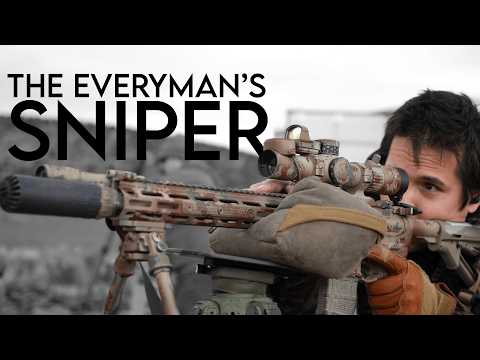
This video demonstrates shooting drills at 100 yards using both a bolt-action rifle in .308 Winchester and an SPR (Special Purpose Rifle) in 5.56 NATO. The participants highlight the significant impact of extreme heat on firearm performance, shooter comfort, and equipment reliability. They discuss challenges with barrel heat, shooter fatigue, and maintaining accuracy across various shooting positions, offering insights into practical shooting under adverse environmental conditions.

Quick Summary

Extreme heat significantly impacts rifle shooting by causing barrels to overheat rapidly, leading to increased shot dispersion and rounds tending to go high. It also causes shooter fatigue and elevated heart rates, making it harder to maintain stable shooting positions and control breathing for accurate shots.

Chapters

  1. 00:00Introduction & Ballistics Humor
  2. 00:33Welcome & Setting the Scene
  3. 01:01Channel Welcome & Heat Conditions
  4. 02:41Drill Setup: Bolt Gun vs SPR
  5. 03:33Bolt Action Rifle Shooting - Position 1
  6. 03:59Muzzle Brake Issues
  7. 04:15Target Selection & Consistency
  8. 04:47SPR Shooting - Position 1
  9. 05:13Focus & Beard Interference
  10. 05:44Reviewing SPR Shots
  11. 06:07SPR Shooting - Position 2 (Standing)
  12. 06:46Dope Adjustment & Heat Effects
  13. 07:05SPR Shooting - Position 3 (Low)
  14. 07:46Target Mismatch Discussion
  15. 08:00SPR Performance Review
  16. 08:21Caliber Advantage Discussion
  17. 09:06Pace of Fire & Heat Impact
  18. 09:13Bolt Gun Experience & Heat
  19. 09:39Bolt Gun Build Details (Kelbi Rifles)
  20. 09:55Reviewing Bolt Gun Shots
  21. 10:06Context: Post-LPVO Class
  22. 10:15Excuses & Heat Impact
  23. 10:34Bolt Gun Standing Position Analysis
  24. 10:45Gun & Body Heat Effects
  25. 11:04Heartbeat & Shot Timing
  26. 11:27Bolt Gun Low Standing Analysis
  27. 11:54Shooting Wrong Targets
  28. 12:00Bolt Gun High Kneeling Performance
  29. 12:14Camera Heat Warnings
  30. 12:33SPR Shooting - Position 1 (Revisit)
  31. 12:45SPR First Shots & Dope Correction
  32. 13:14Trust Issues & Therapist Advice
  33. 13:18SPR Standing Position Analysis
  34. 13:37Gear Management & Rifle History
  35. 14:03SPR Low Standing Analysis
  36. 14:23Standing Position Confidence
  37. 14:51SPR Double Knee Kneeling Position
  38. 15:09Double Knee Kneeling Group Comparison
  39. 15:31Caliber vs. Group Size Debate
  40. 16:37BC & Rifle Recommendations
  41. 17:00Sawmill Location & Shoutout
  42. 17:16Future Plans & Heat Mitigation
  43. 17:25Running Gun Event & Gear Proofing
  44. 17:44Profanity & Censorship
  45. 18:09Sponsorship Disclaimer
  46. 18:19Gear Mention: Vest Tripods
  47. 18:41Concluding Remarks & Algorithm Tips
  48. 19:02Muzzle Brake Discussion (Kelby Claw)
  49. 19:41Muzzle Brake Name Repetition
  50. 19:58Chafing & Heat Discomfort
  51. 20:21Slang & Terminology
  52. 20:50Final Thoughts

Frequently Asked Questions

How does extreme heat affect rifle shooting?

Extreme heat significantly impacts rifle shooting by causing barrels to overheat rapidly, leading to increased shot dispersion and rounds tending to go high. It also causes shooter fatigue and elevated heart rates, making it harder to maintain stable shooting positions and control breathing for accurate shots.

What are the challenges of shooting lightweight rifles in hot weather?

Lightweight, fluted barrels on rifles like the Kelbi bolt-action mentioned can heat up very quickly, often after just a dozen rounds. This rapid heating degrades accuracy and requires extended cool-down periods or a slower firing cadence to maintain performance.

Can caliber choice influence shooting performance in adverse conditions?

Yes, a larger caliber like .308 Winchester, with its heavier bullet and higher energy, can offer a slight advantage in terms of 'room for error' on target compared to smaller calibers like 5.56 NATO, potentially forgiving minor aiming inaccuracies.

What are practical tips for shooting drills in extreme heat?

When shooting in extreme heat, it's crucial to take frequent breaks to allow firearms to cool and to manage personal fatigue. Staying hydrated and considering shooting during cooler parts of the day or in shorter sessions can significantly improve performance and safety.

Related News

All News →

More Training & Techniques Videos You Might Like

More from Weapon Snatcher

View all →