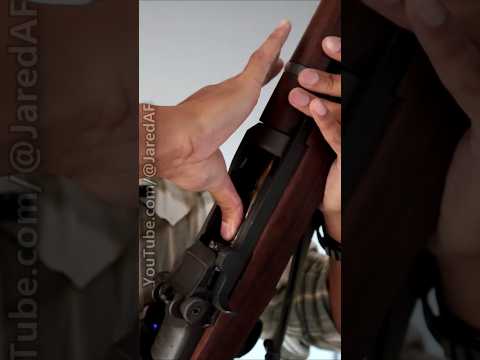
Slow Motion: M1 Garand

Published on November 21, 2024
Duration: 0:49

This detailed explanation, presented in slow motion by Forgotten Weapons, breaks down the M1 Garand's complex firing cycle. It visually demonstrates the interaction of the op rod and bolt, the process of case extraction and ejection, and the subsequent chambering and locking of the next round. The video highlights the mechanical sequence that ensures reliable operation of this iconic rifle.

Quick Summary

The M1 Garand's firing cycle involves the op rod moving rearward to unlock the bolt. The bolt then retracts, extracting and ejecting the spent casing. Finally, the bolt moves forward to chamber a new round, and the cam/op rod mechanism rotates the bolt lugs to lock it securely.

Chapters

  1. 00:00Op Rod and Bolt Unlocking
  2. 00:09Case Extraction and Reloading
  3. 00:19Chambering and Bolt Locking
  4. 00:34M1 Garand Firing Cycle Completion
  5. 00:38Clip Ejection Visual

Frequently Asked Questions

How does the M1 Garand's op rod function during firing?

During firing, the M1 Garand's op rod moves rearward to engage the bolt lug. This action, combined with the cam mechanism, drives the bolt to unlock, extract the spent casing, and prepare for the next round.

What happens to the empty casing in the M1 Garand's firing cycle?

As the bolt retracts, it fully extracts the empty casing to the rear. The casing is then ejected from the receiver as the bolt continues its cycle to chamber the next round.

How is the bolt locked in the M1 Garand?

After the bolt moves forward to chamber a new cartridge, the cam and op rod mechanism rotate the bolt lugs. These lugs engage with the receiver, securely locking the bolt in place for firing.

More Training & Techniques Videos You Might Like

More from Forgotten Weapons

View all →