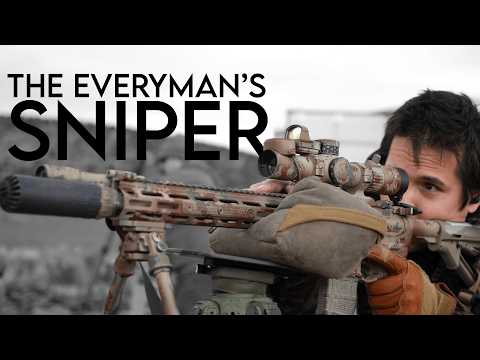
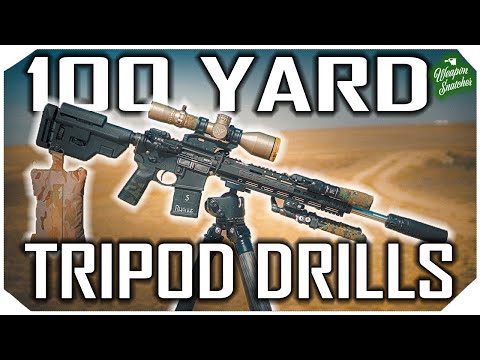
SPR/Scoped Carbine Training Inside 100 Yards!

Published on May 5, 2024
Duration: 21:42

This video provides practical training drills for SPR and scoped carbine platforms within 100 yards. It emphasizes the importance of a zero confirmation drill as the first shot of the day for accuracy and reliability checks. The instructor demonstrates techniques for rapid deployment from various positions, focusing on speed, accuracy, and split times, while also highlighting the learning value of analyzing misses to improve shooting discipline.

Quick Summary

A zero confirmation drill is the first shot fired at the beginning of a range session to verify that your firearm's sights are still aligned with the point of impact. It's crucial for ensuring accuracy and identifying any potential issues with your optic or firearm before engaging in more demanding shooting activities.

Chapters

  1. 00:01Introduction and Safety
  2. 01:43Ben Franklin Range Feature
  3. 02:05Zero Confirmation Drill Explained
  4. 03:00Drill Modifications for Deployment
  5. 04:08Practicing Stable Positions
  6. 05:31Importance of the First Shot
  7. 05:44SPR Double Tap Drill
  8. 06:16Double Taps at Range
  9. 07:03Trigger Cam and Natural Point of Aim
  10. 08:46Mirage Example at 100 Yards
  11. 09:36Analyzing Missed Shots
  12. 10:12Learning from Misses
  13. 10:47Trigger Freeze and Finger Placement Issues
  14. 11:01Bipod Wiggling in Turf
  15. 11:24Double Knee Kneeling with Tripod
  16. 12:31Deliberate Position Time
  17. 13:34Standing Position Off Tripod
  18. 14:54Reviewing Shots and Times
  19. 15:38Training Inside 100 Yards Takeaways
  20. 16:16Prioritizing Training Time
  21. 17:14100 Yards vs. Long Range Differences
  22. 18:36Optics and Ballistics Knowledge
  23. 19:47Personal Reflection on Discipline
  24. 20:42Emotional Weight and Processing
  25. 21:15Being Present and Aware

Frequently Asked Questions

What is a zero confirmation drill and why is it important?

A zero confirmation drill is the first shot fired at the beginning of a range session to verify that your firearm's sights are still aligned with the point of impact. It's crucial for ensuring accuracy and identifying any potential issues with your optic or firearm before engaging in more demanding shooting activities.

How can I improve my shooting speed and accuracy within 100 yards?

Improvement comes from practicing drills like rapid deployment and double taps, using a shot timer to measure split times, and focusing on fundamental techniques like natural point of aim and proper trigger control. Analyzing misses is key to identifying and correcting errors.

What are some common shooting mistakes to avoid?

Common mistakes include trigger freeze, which causes shots to go astray, and improper trigger finger placement, often too far into the trigger guard. Ensuring a consistent and stable shooting position, whether standing, prone, or using support, is also vital.

How does shooting at 100 yards differ from long-range shooting?

The primary difference is external ballistics and environmental factors like wind. While mechanics and biomechanics remain the same, long-range shooting requires accounting for bullet drop, wind drift, and atmospheric conditions, which are less significant at 100 yards.

Related News

All News →

More Training & Techniques Videos You Might Like

More from Weapon Snatcher

View all →