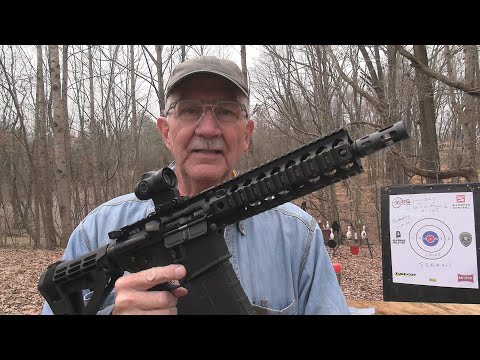
Squib Load: What To Do & How To Fix It.

Published on July 30, 2021
Duration: 8:15

This video explains what a squib load is, its common causes (primarily faulty ammunition or reloading errors), and how to identify and safely resolve the issue. The instructor emphasizes the critical importance of recognizing a squib load's distinct sound and feel, differentiating it from a standard malfunction, to prevent catastrophic firearm damage and potential injury by avoiding a 'tap rack' maneuver. It provides a practical guide for removing a lodged projectile from the barrel using a cleaning rod.


Quick Summary

A squib load occurs when a firearm discharges with insufficient or no gunpowder, causing the projectile to lodge in the barrel. This is dangerous because firing another round into the obstruction can cause the firearm to explode, leading to severe injury to the shooter. Common causes include faulty remanufactured or hand-reloaded ammunition.

Chapters

  1. 00:00Introduction to Squib Loads
  2. 00:36Video of Squib Load Incident
  3. 01:00First Hand Experience with Squib Load
  4. 01:24Sound and Feel of a Squib Load
  5. 02:03Causes of Squib Loads
  6. 03:07Why Squib Loads Are Dangerous
  7. 03:48How to Remove a Squib Load
  8. 04:30Step-by-Step Barrel Clearing
  9. 05:01Removing the Squib Projectile
  10. 05:30Importance of Education and Sharing
  11. 06:11Supporting the Channel
  12. 07:03Featured Firearm: AR-5K
  13. 07:48Channel Growth and Q&A

Frequently Asked Questions

What is a squib load and why is it dangerous?

A squib load occurs when a firearm discharges with insufficient or no gunpowder, causing the projectile to lodge in the barrel. This is dangerous because firing another round into the obstruction can cause the firearm to explode, leading to severe injury to the shooter.

What are the most common causes of squib loads?

The primary causes of squib loads are issues with the ammunition. This includes remanufactured ammunition that may have been improperly loaded, or hand-reloaded ammunition where the powder charge was forgotten or insufficient.

How can I tell if I have a squib load?

You can often identify a squib load by a distinct lack of recoil, a significantly quieter 'click and puff' sound instead of a 'boom,' and the projectile failing to exit the barrel. It feels different from a standard firearm malfunction.

What should I do immediately if I suspect a squib load?

If you suspect a squib load, immediately stop firing. Safely unload the firearm, remove the magazine, and visually inspect the barrel for any obstruction. Do not attempt a 'tap rack' drill, as this can worsen the situation.

Related News

All News →

More Training & Techniques Videos You Might Like

More from Tactical Advisor

View all →