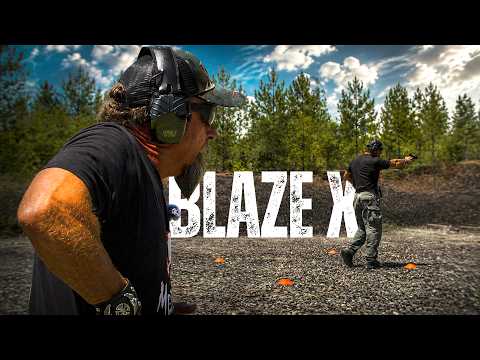
Staying active - drill for correct body position when shooting

Published on April 26, 2023
Duration: 3:37

This video demonstrates an active body position drill for shooting, emphasizing the importance of dynamic movement and balanced stance over static shooting. By partnering with another individual and simulating a push-pull scenario, shooters can learn to maintain proper structure, absorb recoil effectively, and remain mobile, which is crucial for real-life applications beyond static range training.


Quick Summary

Improve your shooting by adopting an active stance. This involves maintaining a balanced, mobile position with engaged hips, ready to move and absorb recoil. Partner drills simulating dynamic forces help develop this crucial tactical readiness beyond static range practice.

Chapters

  1. 00:00Introduction: Static vs. Dynamic Shooting
  2. 00:26The Importance of Being Active
  3. 00:36Analogy: Race Start and Transitions
  4. 01:21Why Static Shooting is Ineffective
  5. 01:31Partner Drill Setup
  6. 01:46Simulating Movement and Push/Pull
  7. 02:03Impact of Loaded Leg on Mobility
  8. 02:16Achieving Even Balance
  9. 02:30Proper Structure Behind the Gun
  10. 02:43Non-Competitive Drill Purpose
  11. 03:07Hip Position for Power and Stability
  12. 03:28Conclusion: Get a Partner

Frequently Asked Questions

Why is a static shooting stance often not ideal for real-life situations?

Static shooting stances, common at ranges, are inefficient for real life because situations demand constant movement and adaptation. A static position limits mobility and the ability to react dynamically to threats, unlike the active, ready stance emphasized in tactical training.

How can a partner drill improve shooting body position?

A partner drill, like pushing and pulling shoulders, simulates dynamic forces. This helps shooters understand how to maintain a balanced stance, distribute weight evenly, and drive their hips to absorb recoil and remain mobile, crucial skills for effective shooting under pressure.

What is the role of hip engagement in shooting stance?

Engaging and driving the hips behind your stance is vital for absorbing recoil and maintaining stability. Dropping your hips lower into a more athletic position provides greater power and a more solid foundation, making it easier to manage the firearm's movement.

How does being 'active' differ from being 'static' when shooting?

Being 'active' means being in a ready, mobile state, already in motion and prepared to move or absorb recoil. 'Static' implies a passive, unmoving posture, often leaning back, which compromises readiness and the ability to transition effectively in dynamic shooting scenarios.

More Training & Techniques Videos You Might Like

More from Tenicor

View all →