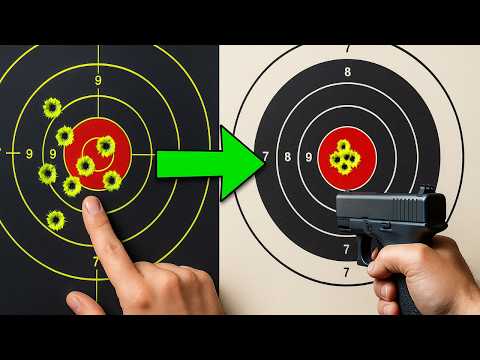
Stop Shooting Low & Left With This Simple Hack.

Instruction from John G. Johnson, a Firearms instructor, addresses the common issue of shooting low and left. The primary cause identified is improper trigger manipulation, leading to the firearm dipping. The video emphasizes a controlled, slow trigger press using the fingertip and applying pressure to the side of the finger, akin to slowly pouring sand. Proper grip, stance, and sight alignment are also discussed as contributing factors to achieving better shot placement.

Quick Summary

The main reason for shooting low and left is improper trigger manipulation, where the shooter jerks or anticipates recoil, causing the firearm to dip. To correct this, use the fingertip for a slow, deliberate trigger press straight to the rear, avoiding any jerky motions and focusing on a smooth action.

Chapters

  1. 00:00Intro: The Low & Left Problem
  2. 00:33Demonstration of Low & Left Shooting
  3. 01:33Cause: Trigger Manipulation Explained
  4. 02:03Trigger Pull Demonstration (Plastic Gun)
  5. 03:08Understanding Recoil Anticipation
  6. 03:56Correct Trigger Engagement Technique
  7. 05:18Trigger Press Analogy: Pouring Sand
  8. 06:08Other Factors: Sight Alignment & Aiming
  9. 07:33Call to Action & Outro

Frequently Asked Questions

What is the main reason people shoot low and left with a firearm?

The primary cause of shooting low and left is improper trigger manipulation. This often involves jerking or slapping the trigger, or anticipating recoil, which causes the firearm to dip just as the shot breaks.

How can I improve my trigger control to avoid shooting low and left?

Focus on a slow, deliberate trigger press using the tip of your index finger, not the crease. Apply pressure to the side of the finger and press straight to the rear until the shot fires, avoiding any jerking motion.

What role does recoil anticipation play in shooting errors?

Anticipating recoil causes tension in your body just before firing. This tension leads to unintended movements of the firearm, often resulting in shots going low and left as you subconsciously brace for the impact.

Besides trigger control, what other factors affect shot placement?

Proper sight alignment and sight picture are critical. Ensure the front sight is centered in the rear sight notch with equal light on both sides. Also, aim with your core and waist to maintain a stable platform, rather than relying solely on wrist movement.

More Training & Techniques Videos You Might Like

More from Firearms Training By John G. Johnson

View all →