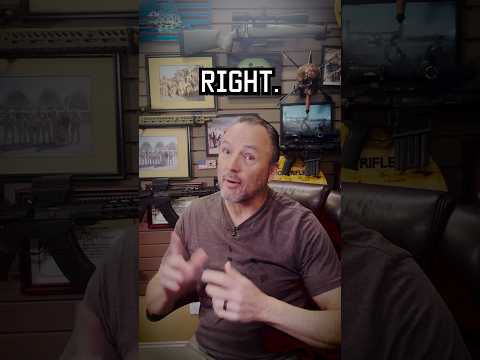
The 2 Best Ways To Avoid Shooting Yourself By Accident

Published on October 30, 2018
Duration: 7:06

This video highlights two critical times for accidental discharges: the draw stroke, especially with appendix carry, and re-holstering. It emphasizes the importance of the four fundamental safety rules and provides practical techniques like leaning back during a draw and visually confirming the holster is clear before re-holstering. Safety during cleaning is also addressed, stressing the need to physically verify an empty chamber.

Quick Summary

The two most critical times for accidental firearm discharges are during the draw stroke (especially with appendix carry) and during re-holstering. To prevent accidents, always follow the four fundamental safety rules, lean back when drawing from appendix carry, and visually confirm your holster is clear before re-holstering.

Chapters

  1. 00:00Introduction to Range Safety
  2. 00:32The Four Fundamental Safety Rules
  3. 02:12Draw Stroke & Appendix Carry Risks
  4. 03:46Safe Re-holstering Techniques
  5. 05:07Safety During Cleaning & Disassembly

Frequently Asked Questions

What are the two most common times for accidental firearm discharges?

The two most common times for accidental firearm discharges are during the draw stroke, especially with appendix carry, and during the process of re-holstering the firearm. Safety during cleaning and disassembly is also a high-risk period.

How can I prevent accidental shootings when drawing a firearm?

When drawing, particularly from appendix carry, ensure you maintain proper trigger discipline and consider leaning your body back slightly to clear the muzzle from yourself. Always be aware of your surroundings and target.

Why is re-holstering a firearm considered dangerous?

More negligent discharges occur during re-holstering because it's easy to accidentally sweep a finger onto the trigger or fail to notice obstructions in the holster. It's crucial to look the firearm into the holster.

What safety precautions should be taken during firearm cleaning?

During cleaning, always physically verify that the chamber is empty. Don't just visually check; use your finger to confirm the chamber and magazine well are clear of ammunition before proceeding.

Related News

All News →

More Training & Techniques Videos You Might Like

More from Honest Outlaw

View all →