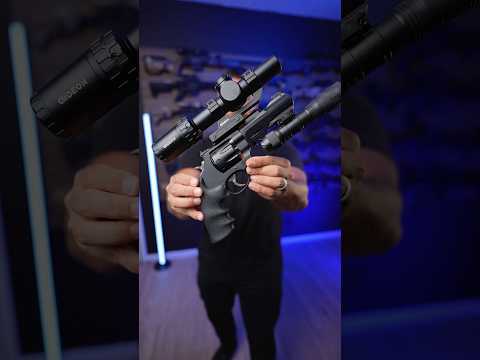
The .357 Magnum Truth Most Shooters Ignore!

Published on January 7, 2026
Duration: 12:40

This guide synthesizes expert advice on the practical realities of the .357 Magnum, moving beyond its theoretical power. It highlights critical considerations such as impulse noise, muzzle flash, recoil management, and over-penetration risks, particularly for concealed carry and home defense. The instruction emphasizes the importance of consistent training with chosen ammunition and proper safety protocols, cautioning against over-reliance on the caliber's reputation.

Quick Summary

The .357 Magnum presents practical challenges like extreme impulse noise causing hearing damage, intense muzzle flash impairing vision, sharp recoil affecting control, and significant over-penetration risks in home defense. Mastering this caliber requires dedicated training and awareness of its demanding characteristics.

Chapters

  1. 00:00Introduction to the .357 Magnum Reality
  2. 00:5610. Noise and Hearing Damage
  3. 01:5609. Muzzle Flash and Vision
  4. 02:5408. Recoil and Control
  5. 04:0107. Short Barrel Challenges
  6. 05:0706. Over-Penetration Risks
  7. 06:1805. Common Ammo Mistakes
  8. 07:3104. Training Debt
  9. 08:3903. Reload Reality
  10. 09:4902. The Cylinder Gap
  11. 10:4901. The Confidence Trap

Frequently Asked Questions

What are the main practical challenges of shooting a .357 Magnum revolver?

Key challenges include significant impulse noise causing hearing damage, intense muzzle flash impairing vision in low light, sharp recoil affecting control, and the risk of over-penetration in home defense. Compact revolvers amplify these issues.

Why is hearing protection crucial when shooting .357 Magnum?

The .357 Magnum produces extreme impulse noise that can cause permanent hearing damage, even with brief exposure. Double hearing protection (earplugs and earmuffs) is strongly recommended, especially indoors, to mitigate this risk.

How does the .357 Magnum impact home defense strategy?

The .357 Magnum's power poses a significant over-penetration risk, meaning rounds may not be stopped by interior walls, potentially endangering bystanders. Bullet construction is critical for defensive loads to ensure energy transfer to the target.

What is the 'confidence trap' associated with the .357 Magnum?

The 'confidence trap' refers to shooters relying on the .357 Magnum's reputation for power, leading them to neglect essential training and skill development. This can result in a dangerous gap between the firearm's potential and the shooter's actual competence.

Related News

All News →

More Training & Techniques Videos You Might Like

More from GUN NEWS

View all →