The Dying Art of Analog Marksmanship - Iron Sights Explained

Published on September 12, 2025
Duration: 8:30

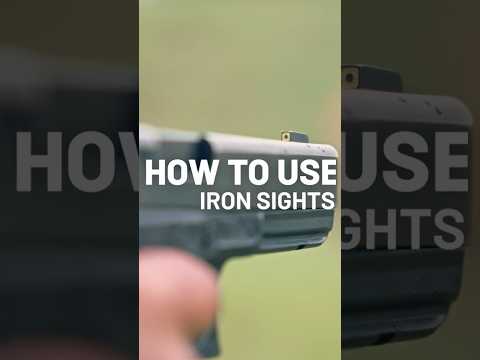
This video provides a comprehensive guide to mastering iron sights, emphasizing their raw effectiveness and reliability. It details the components of iron sights, including the front sight post and rear peep sight, and explains how to achieve proper sight alignment and focus. The guide offers practical dry-fire and live-fire drills for beginners to build muscle memory and refine their marksmanship fundamentals.


Quick Summary

Mastering iron sights involves proper sight alignment by centering the front sight post within the rear aperture, focusing on the front post ('clear tip, blurry target'), and understanding the trade-offs between large (speed/low-light) and small (precision/distance) apertures. Practice through dry-fire and range drills is crucial.

Frequently Asked Questions

What are the two main components of iron sights?

Iron sights consist of two primary components: the front sight post, located at the front of the barrel, and the rear peep sight, positioned closer to the shooter's face. The front sight controls vertical impact, while the rear sight, often with a windage knob, controls horizontal impact.

How do you achieve proper sight alignment with iron sights?

Proper sight alignment involves centering the top of the front sight post precisely within the middle of the rear peep sight aperture. The goal is to create a symmetrical image, ensuring the front post is as close to the center as possible for accurate shot placement.

What is the 'clear tip, blurry target' principle for iron sights?

This principle means you should focus your vision sharply on the front sight post. The target behind it should appear blurry. Your eye can only focus on one plane at a time, and focusing on the front sight ensures critical alignment before firing.

What is the difference between large and small rear sight apertures?

The large aperture is for faster target acquisition and low-light/close-range shooting, offering a wider field of view. The smaller aperture prioritizes precision for longer ranges or clear conditions by restricting the field of view and light, forcing a sharper sight picture.

Related News

All News →

More Training & Techniques Videos You Might Like

More from AT3 Tactical

View all →