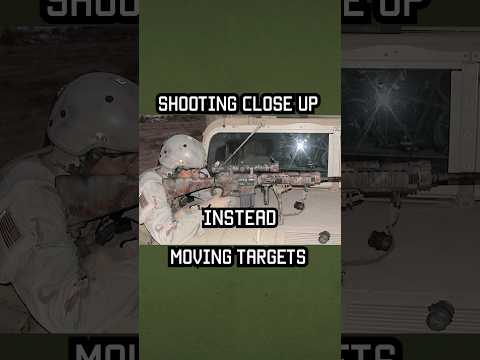
the real advantage of both eyes open shooting

Published on January 7, 2024
Duration: 0:55

This video explains the drawbacks of closing one eye while shooting, such as unnatural facial tension and distraction. It promotes the use of eye blockers as a solution to maintain a relaxed, natural stance while still focusing on the target. The speaker demonstrates DIY methods and references professional applications seen in Olympic shooting.

Quick Summary

Closing one eye while shooting causes unnatural facial tension and distraction. Using an eye blocker allows you to keep both eyes open naturally, reducing tension and improving focus by blocking non-dominant eye input. DIY options like tape or paper are effective alternatives.

Chapters

  1. 00:00Why Shooters Close One Eye
  2. 00:08Problems with One-Eye Shooting
  3. 00:20Benefits of Eye Blockers
  4. 00:38DIY & Pro Eye Blocker Methods

Frequently Asked Questions

What are the disadvantages of closing one eye when shooting?

Closing one eye forces an unnatural facial position, leading to muscle tension and distraction. The closed eye often tries to reopen, disrupting focus, especially during extended shooting sessions.

How can eye blockers help with shooting?

Eye blockers allow you to keep both eyes open naturally, reducing facial tension. They block sensory input from the non-dominant eye, helping maintain focus on the target without the distraction of a closed eye.

Are there simple ways to create an eye blocker for shooting?

Yes, you can create DIY eye blockers using materials like paper, tape applied to shooting glasses, or even simple eye patches. These methods are cost-effective alternatives to commercial products.

Is the 'both eyes open' shooting technique used professionally?

Absolutely. The concept of using eye blockers to facilitate both eyes open shooting is employed in high-level disciplines like Olympic shooting competitions, demonstrating its effectiveness for precision.

More Training & Techniques Videos You Might Like

More from JaredAF

View all →