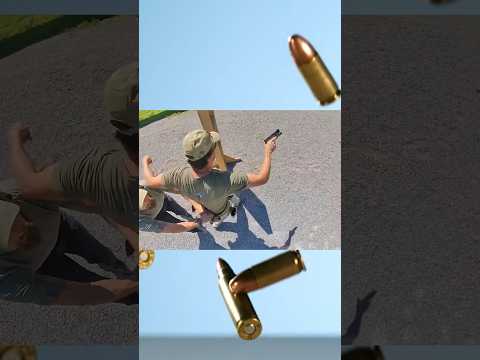
Training for Tunnel Vision

Published on May 31, 2023
Duration: 1:01

This training drill, led by Instructor Mike, demonstrates the critical impact of tunnel vision on threat detection and engagement. By using specialized goggles, participants experience severely limited peripheral vision, hindering their ability to acquire targets and respond effectively. The drill highlights the importance of maintaining broad situational awareness for timely and accurate defensive actions.

Quick Summary

This training drill demonstrates how tunnel vision, simulated with specialized goggles, severely limits peripheral awareness and hinders threat detection. Instructor Mike shows how this visual restriction impacts aiming and reaction time, emphasizing the critical need for broad situational awareness in dynamic shooting scenarios.

Chapters

  1. 00:00Starting the Scenario
  2. 00:11Threat Engagement Failure
  3. 00:22Tunnel Vision and Sights
  4. 00:32Peripheral Vision Impact
  5. 00:38Removing Visual Restriction
  6. 00:44Enhanced Situational Awareness

Frequently Asked Questions

What is tunnel vision in the context of firearms training?

Tunnel vision in firearms training refers to a psychological phenomenon where a person's field of view narrows under stress, limiting their ability to see threats or targets outside their direct line of sight. This drill simulates that effect using special goggles.

How does tunnel vision affect shooting performance?

Tunnel vision significantly degrades performance by reducing peripheral awareness, making it harder to detect threats appearing from the sides. This can lead to delayed reactions, missed targets, and an inability to effectively engage multiple threats or dynamic situations.

What is 'back plate' aiming?

'Back plate' aiming is a rudimentary aiming method used when standard sights are obscured or unavailable. It involves aligning the target with the rear of the firearm's slide or receiver, often used as a last resort or under extreme stress conditions.

Why is peripheral awareness important for shooters?

Peripheral awareness is crucial for maintaining situational awareness. It allows a shooter to detect movement, identify potential threats, and understand the overall environment, enabling a faster and more appropriate response to developing situations.

More Training & Techniques Videos You Might Like

More from Instructor Mike

View all →