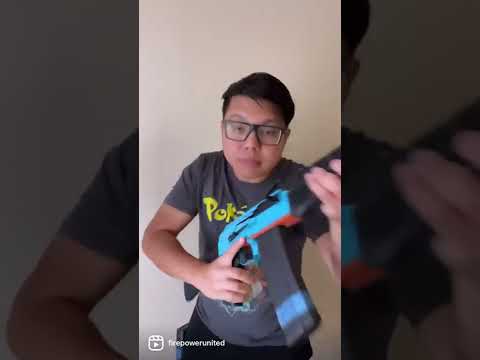
Weapons Manipulation: Fine Motor Skills vs Gross Motor Skills Reload

Published on October 22, 2015
Duration: 0:57

This video contrasts standard reloads with a 'gross motor skill' reload designed for high-stress scenarios. It demonstrates how to perform reloads using larger body parts like elbows, knees, and chest impact when fine motor skills might fail. The content highlights practical, albeit unconventional, techniques for maintaining weapon readiness under duress.

Quick Summary

Under extreme stress, fine motor skills needed for precise firearm controls can fail. 'Gross motor skill' reloads use larger body parts like elbows and knees to operate the magazine release and bolt catch, ensuring functionality when dexterity is compromised.

Chapters

  1. 00:00Intro: Fine Motor Skills vs Gross Motor Skills
  2. 00:00Standard Reload Demonstration (Range Environment)
  3. 00:20Gross Motor Skill Reload Demonstration (High Stress)
  4. 00:35Elbow Reload Technique
  5. 00:41Chest Impact Reload Technique
  6. 00:46Knee Bolt Release Technique

Frequently Asked Questions

What is the difference between fine motor skills and gross motor skills in firearms manipulation?

Fine motor skills involve precise movements of small muscles, like finger placement on a magazine release. Gross motor skills use larger muscle groups, like striking a release with an elbow, which are more reliable under extreme stress when fine motor control may fail.

How can I perform a high-stress firearm reload?

For high-stress situations, consider 'gross motor skill' reloads. This involves using body parts like your elbow to hit the magazine release, slamming the rifle onto a fresh magazine, or using your knee for the bolt release, bypassing the need for precise finger dexterity.

What are some unconventional reloading techniques for stressful situations?

Unconventional techniques include using your elbow to depress the magazine release, striking the rifle's magazine well onto a fresh magazine held in your gear, and using your knee to activate the bolt release. These methods prioritize speed and reliability over dexterity.

Why might fine motor skills fail during a stressful event?

Extreme stress can cause physiological responses like 'tunnel vision,' auditory exclusion, and a tremor known as 'the shakes.' These effects significantly impair the fine motor control necessary for delicate tasks like manipulating small firearm controls.

Related News

All News →

More Training & Techniques Videos You Might Like

More from Firepower United

View all →