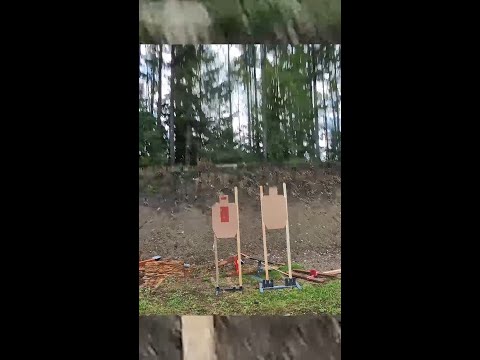
What I Find Troubling About Competition Shooting @FNGACADEMY

Published on October 5, 2024
Duration: 6:30

This video critiques competition shooting by highlighting the disconnect between scoring targets and real-world threat neutralization. It emphasizes the importance of ensuring a threat is incapacitated rather than just hitting a designated scoring zone. The instructor advocates for training methods that simulate the uncertainty of real engagements, where the number of shots required is unknown.

Quick Summary

Competition shooting often prioritizes speed and hitting scoring zones, which differs from real-life encounters where the primary goal is threat incapacitation. Unlike competition, real engagements lack ceasefires, and the number of shots needed to neutralize a threat is unknown, necessitating confirmation of incapacitation.

Chapters

  1. 00:00Introduction to the Burk Drill
  2. 00:40Uncertainty in Real Engagements
  3. 01:26Competition vs. Real-Life Transitions
  4. 02:00Ensuring Threat Incapacitation
  5. 03:21The 'Smash System' and Realistic Targets
  6. 03:46Varied Shot Strings for Realism
  7. 04:59Why Counting Shots is Unrealistic
  8. 05:33Acknowledging Real-World Odds
  9. 05:51Targets That Fall for Feedback
  10. 06:04Range Ceasefires vs. Real Engagements

Frequently Asked Questions

What is a key difference between competition shooting and real-life self-defense scenarios?

In competition, you often have a ceasefire or can count shots. In real life, you must continue engaging until the threat is neutralized, and you don't know how many shots that will take or if you've even hit effectively.

Why is it problematic to transition targets too quickly in a real-life encounter?

Transitioning too fast without confirming the incapacitation of the first threat means you might miss a shot or hit a non-vital area, leaving the threat able to return fire while you're already moving to the next target.

What kind of training does the instructor advocate for to improve realism?

The instructor prefers training methods that incorporate uncertainty, such as using targets that don't immediately fall when hit, to better simulate the unknown outcome of real-world engagements.

What is the 'Burk Drill' as described in the video?

The Burk Drill involves engaging three targets from cover at 10 yards, requiring three shots per target, often aiming for headshots, and then moving to the next piece of cover.

More Training & Techniques Videos You Might Like

More from Instructor Mike

View all →