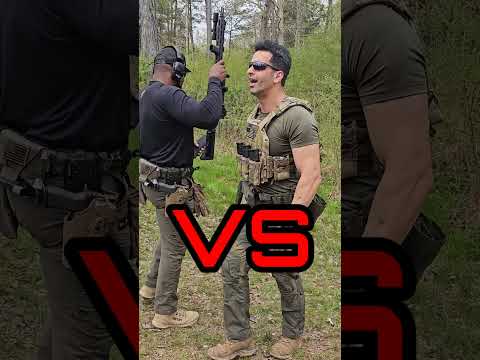
Why a squib load can make your gun explode and where the pressure goes

Published on November 26, 2025
Duration: 1:06

This video explains the dangerous consequences of a squib load, where a projectile lodges in the barrel, causing extreme pressure buildup. The energy from a subsequent shot has nowhere to go forward and can force components like the backplate or striker out the rear of the firearm, potentially causing injury. The presenter demonstrates identifying a squib load by feel and visual inspection.


Quick Summary

A squib load occurs when a projectile lodges in the firearm's barrel. Firing again creates immense pressure with no forward exit. This trapped energy seeks the path of least resistance, often rearward, potentially causing the backplate or striker to blow out and leading to firearm damage or injury.

Chapters

  1. 00:00Introduction to Squib Load Dangers
  2. 00:05Firearm Damage and Injury Risks
  3. 00:22Pressure Escape Routes
  4. 00:39Identifying a Malfunction
  5. 00:52Demonstrating a Squib Load

Frequently Asked Questions

What happens when a squib load occurs in a firearm?

A squib load means a projectile is stuck in the barrel. If you fire again, the pressure builds up immensely because the bullet can't exit. This trapped energy has to go somewhere, often forcing parts like the backplate or striker out the rear of the gun, which can cause serious injury.

How can a squib load cause a gun to explode?

When a projectile is lodged in the barrel (a squib load), a subsequent shot creates extreme pressure. This pressure has no forward exit and can exceed the firearm's structural integrity, leading to a catastrophic failure or 'explosion' of the gun.

What is the path of least resistance for pressure from a squib load?

The energy from a subsequent shot, when facing a squib load obstruction, will seek the path of least resistance. This is typically rearward, potentially through the magazine well or out the backplate area of the firearm, rather than forward through the blocked barrel.

How can you identify a potential squib load?

You might identify a squib load by an unusually weak sound or a complete lack of recoil after firing. The firearm might also feel 'off' or not cycle properly. Visually inspecting the barrel for an obstruction is crucial if a malfunction is suspected.

Related News

All News →

More Training & Techniques Videos You Might Like

More from CF Clips

View all →