Why Your Shooting Might Get WORSE the Longer You Practice

Published on February 12, 2026
Duration: 11:53

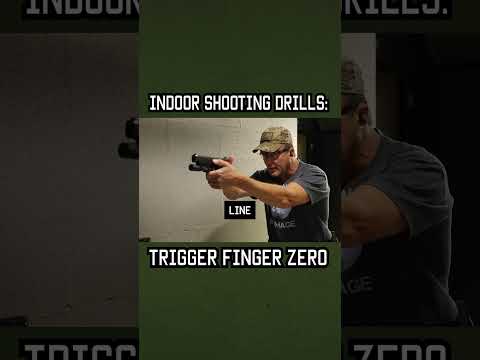
Joel Park, a professional firearms instructor, explains how shooting performance can degrade due to mental and physical fatigue during long practice sessions. He addresses the common 'low and left' shot deviation for right-handed shooters, often caused by subconscious recoil anticipation and support hand fatigue leading to muzzle dip. Park recommends specific drills and strategies like maintaining support hand tension, proper trigger press, and taking strategic breaks to combat these issues and maintain accuracy.

Quick Summary

Shooting accuracy declines during practice due to mental and physical fatigue. This leads to subconscious recoil anticipation and inconsistent support hand tension, causing shots to trend 'low and left' for right-handed shooters. To combat this, focus on a straight trigger press, maintain support hand grip, and take short breaks to reset.

Chapters

  1. 00:00Community & Intro
  2. 00:37The Problem: Low & Left Shots
  3. 01:11Fatigue & Focus Degradation
  4. 02:41Recoil Anticipation & Drills
  5. 03:20Support Hand Fatigue Impact
  6. 05:47Optimal Training Duration vs Reality
  7. 08:15Solutions & Summary

Frequently Asked Questions

Why do my shots get worse the longer I practice shooting?

Shooting performance degrades due to mental and physical fatigue. After extended periods, focus wavers, and muscles tire, leading to poor habits like recoil anticipation and inconsistent trigger control, causing shots to trend low and left.

What is the 'low and left' shooting problem?

The 'low and left' shot deviation, common for right-handed shooters, occurs when fatigue sets in. It's often caused by subconscious recoil anticipation and the support hand losing tension, leading the firing hand to pull the muzzle down and left during the shot.

How can I prevent my shooting accuracy from declining during a range session?

To maintain accuracy, focus on pressing the trigger straight back, ensuring consistent support hand tension, and consciously resisting recoil anticipation. Taking short 10-15 minute breaks can also help reset your mental and physical state.

What drills can help diagnose accuracy issues caused by fatigue?

Joel Park suggests the 'one shot return drill'. This helps you observe if the firearm dips low and left during the sight recovery process after each shot, indicating recoil anticipation or grip issues.

More Training & Techniques Videos You Might Like

More from Joel Park

View all →