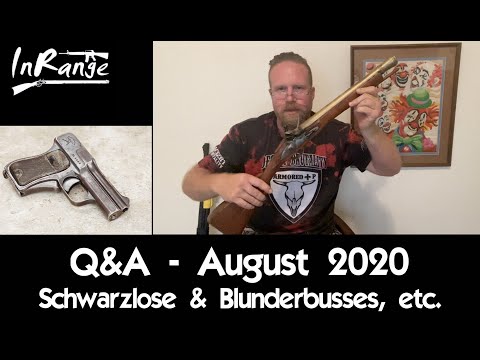
This video explores the 'interim period' of the Old West (roughly 1860-1880) where older percussion firearms coexisted with newer cartridge-based weapons. The presenter, an experienced firearms instructor, details how surplus military equipment and older revolvers remained in common use due to cost and familiarity, even after the introduction of more modern firearms like the 1873 Colt Single Action Army. The content highlights practical adaptations, such as modifying holsters and using mixed ammunition types, reflecting the resourcefulness of the era.
This Q&A episode from InRangeTV covers a wide range of firearms-related topics. Discussions include the effectiveness of Surefire's enhanced bolt carrier group in full-auto applications, comparisons of Designated Marksman Rifles (DMRs) like the SVD Dragunov and M16A4, and the pros and cons of different AR-15 bolt carrier group designs. The episode also touches on ammunition choices for Kalashnikov USA firearms, the historical context of revolving rifles, and advice for purchasing transferable machine guns. Practical advice is offered on dealing with heat mitigation on black firearms and the suitability of shotguns for home defense.
You've reached the end! 2 videos loaded.
Gun Laws by State
Read firearms regulations for all 50 states + D.C.
Find Gun Dealers
Search licensed FFL dealers near you.