This video provides an expert overview of the Holosun IRIS line of night vision devices, presented by Kyle from 4MR Ranch. The guide details the features, battery types, and functionalities of the GR1, GR2, GR3, and GR4 models, including their laser and illuminator capabilities. It highlights specific controls like the tactile slider on the GR3 and the white light on the GR4, offering a clear comparison for potential buyers.
This video provides a long-term review of the Trijicon ACOG TAO2, highlighting its evolution from the TA31. The reviewer praises its bomb-proof durability, hand-adjustable turrets, and the significant improvement of a batterypowered LED illumination system over the older tritium/fiber optic methods. It also discusses the integration of a mounting interface for micro red dots, addressing common issues like helmet clacking and the inconvenience of previous top-dot mounting solutions.
This video critically reviews the AGM PVS14 knockoff with a Gen 2 Plus white phosphorus intensifier tube, deeming it a poor value proposition. The instructor highlights significant performance and durability drawbacks compared to Gen 3 units, including inferior glass, increased halo effects, distortion, and a cheap, chintzy build quality. The high cost, approaching low-end Gen 3 prices, negates any perceived savings, making it an unwise investment for serious users.
This review covers the Streamlight Protac 1L-1AA flashlight, highlighting its dual-battery capability (AA and lithium) and its brighter output with lithium. Constructed from aircraft aluminum, it measures 4.25 inches and features a simple interface with low, high, and strobe modes. The flashlight is noted for its durability, waterproof rating, and integrated clip, making it a versatile option for everyday carry and self-defense.
This review focuses on the Weltool T1 Pro, nicknamed 'Little Duke,' an EDC flashlight that impresses with its throw and brightness, achieving 540 lumens and a 290-meter beam distance. It uniquely runs on AA batteries but performs exceptionally with a 14500 rechargeable battery, offering a 3.6v output for enhanced intensity. The flashlight features a neutral white LED, IP67 water resistance, and a simple tail switch operation, making it a practical choice for everyday carry. Exclusive color options like OD green and FDE are available through Going Gear.
This video provides an in-depth look at EOTech holographic sights, detailing their historical evolution, technological underpinnings, and model variations. The presenter, Hop, a recognized expert, explains the differences between holographic and red dot sights, discusses battery life considerations, and breaks down the complex EOTech model numbering system. He covers mounting options, reticle patterns, and specialized models, offering valuable insights for users navigating the EOTech product line.
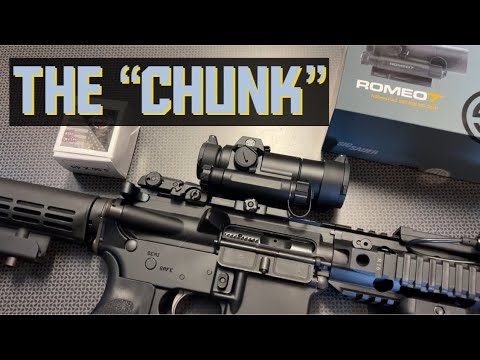
This review of the Sig Sauer Romeo 7 red dot sight highlights its value proposition for budget-conscious builders, particularly those assembling retro-style rifles. The instructor emphasizes its robust construction, long battery life, and user-friendly features like motion activation and a QD mount, positioning it as a capable alternative to more expensive Aimpoint models. While acknowledging its size and weight might not suit minimalist builds, it's recommended for its durability and performance under $200.
This video provides an overview of EOTech holographic sights, highlighting their advanced technology and performance benefits. Key features discussed include their internally sealed, fog, and weather-resistant construction, making them suitable for all-weather conditions. The holographic reticle technology, which uses lasers and mirrors, is explained, emphasizing its integrity in bright light and against challenging targets compared to prism or reflex sights. The larger viewing area and unlimited eye relief are noted as significant advantages for target acquisition and shooter flexibility, even when losing cheek weld. The video also touches on battery options and the ruggedness of EOTech sights, explaining their prevalence in military and law enforcement applications.
This review by Mrgunsngear, a former military member, provides an in-depth look at the Trijicon 1-8x VCOG SCO, recently adopted by the USMC. It highlights the optic's robust construction, FFP MIL reticle, and AA battery power source, while also discussing its weight, cost, and suitability for military versus civilian use.
This comprehensive overview of the Leupold Mark 4 CQ/T optic, presented by subject matter expert Hop, delves into its historical significance as an early LPVO. It covers its robust construction, unique 14mm objective, circle-dot reticle, and practical application for point-blank range engagements. The analysis highlights its durability and performance limitations compared to modern optics, while acknowledging its successful initial design. Instruction from a high-authority subject matter expert in tactical optics provides deep insights into this GWOT-era classic.
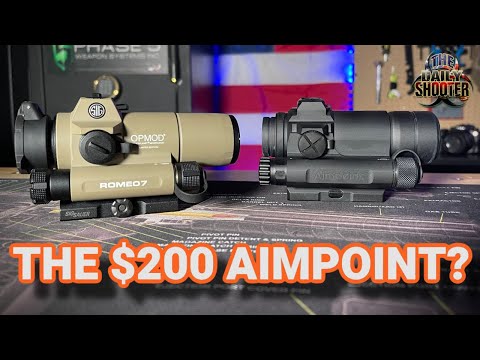
This guide compares the Aimpoint CompM4s and Sig Sauer Romeo 7 red dot sights, highlighting the Romeo 7 as a budget-friendly alternative to the premium Aimpoint. The video emphasizes that while Aimpoint offers proven military-grade durability, the Sig Romeo 7 provides similar aesthetics and functionality for a fraction of the cost, making it a viable option for many shooters. The comparison covers physical attributes, battery life, reticle details, and mounting systems, offering insights for informed purchasing decisions.
This guide details the testing procedures for the Sig Romeo 7 red dot sight, focusing on its durability through drop tests and performance across multiple calibers. It highlights the optic's 62,500-hour battery life, MOTAC feature, and 30mm objective lens, concluding it's a strong contender for a 'duty grade' budget optic despite its weight and mounting limitations.
Gun Laws by State
Read firearms regulations for all 50 states + D.C.
Find Gun Dealers
Search licensed FFL dealers near you.