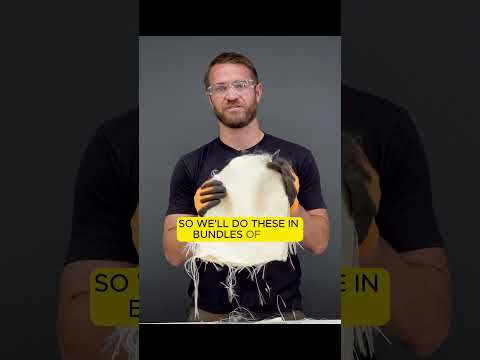
This video demonstrates the critical importance of proper sewing techniques when constructing soft body armor using Kevlar. It highlights that loose layers will not perform as effectively as sewn layers. The process involves bundling five layers of material and sewing them together, often with a double stitch border, using an industrial-grade sewing machine. These sewn bundles are then used in variations for ballistic testing.
This video discusses the Shot Stop Ballistics 'armor scam' where the company allegedly sold non-American made products misrepresented as American. The speaker clarifies that while NIJ certification is crucial for government sales, it's not always a requirement for civilian armor, emphasizing the importance of independent testing and research. The video also addresses retailer responsibility, stating that individual retailers are generally not liable for manufacturer fraud unless they are part of a complete armor system sale.
This video explores the properties and applications of UHMWPE (Ultra-High-Molecular-Weight Polyethylene) material. The description highlights that Predator Armor, a company founded by military veterans and patriotic citizens, uses this material in their products. The video directs viewers to their website for purchasing Level IIIA soft armor, backpack armor, and lightweight Level III plates, all manufactured in the USA. The content emphasizes the durability and quality of their gear for various users, including military, first responders, and outdoor enthusiasts.
You've reached the end! 3 videos loaded.
Gun Laws by State
Read firearms regulations for all 50 states + D.C.
Find Gun Dealers
Search licensed FFL dealers near you.