This video provides a detailed comparison of various suppressor covers, from budget options to high-end models, evaluating their effectiveness in mitigating heat, reducing mirage, and protecting the suppressor's finish. It highlights the importance of selecting a heat-rated cover and discusses the trade-offs, such as added weight and heat retention, associated with their use. The testing demonstrates significant temperature differences between covered and uncovered suppressors.
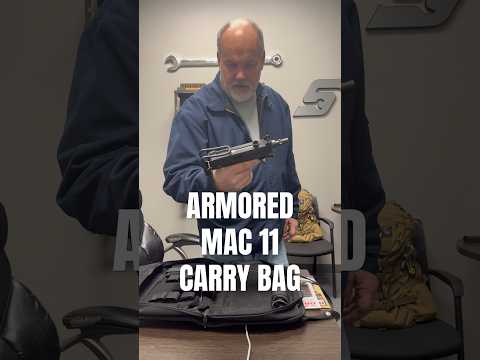
This guide details how to convert a specialized Mac 11 Armored Carry Bag into a functional bulletproof apron or chest rig. The process involves extracting the internal Kevlar armor panel and reconfiguring the bag for torso protection and quick magazine access. The video highlights the bag's versatility and its origins in vintage tactical gear, demonstrating its utility for individuals carrying Mac series firearms.
This video provides a comprehensive test of a budget-friendly Temu ballistic mask, evaluating its performance against a wide range of handgun calibers. The host, a tactical gear reviewer, demonstrates the mask's ability to stop projectiles up to .454 Casull but highlights significant backface deformation, indicating a high risk of blunt force trauma. The review emphasizes the importance of NIJ certification and the potential dangers of uncertified protective gear.
This video demonstrates the internal construction of a soft ballistic vest, explaining how it stops bullets. It highlights the woven ballistic fibers, likely Kevlar or UHMWPE, and how their density and weave pattern absorb and disperse the projectile's energy. The vest is certified by NIJ standards and designed to stop common pistol cartridges.
This video provides a critical review of a $60 Level IV rifle plate purchased from Temu, manufactured by Shanghai Hongyanshun E-commerce Co., Ltd. The host, demonstrating high authority as a firearms reviewer, subjects the plate to rigorous testing with various calibers, including 5.56mm, 7.62x39mm, 6.5 Creedmoor, .308 Win, .300 Win Mag, and .338 Lapua Magnum. While the plate technically stops all rounds, it exhibits extreme backface deformation and significant damage, raising serious concerns about its protective capabilities and construction quality compared to professional-grade armor.
The Osprey body armor, used by British troops in Iraq and Afghanistan from 2006 to 2016, was developed due to an urgent operational requirement following the death of Sergeant Steven Roberts. It features a combination of soft Kevlar armor and external pockets for ballistic plates, offering protection against bullets, fragmentation, and low-velocity projectiles. While initially unpopular due to its bulk and weight, it significantly reduced casualties. The armor underwent several iterations, including the Mark II and Mark III, with improvements to modularity and protection.
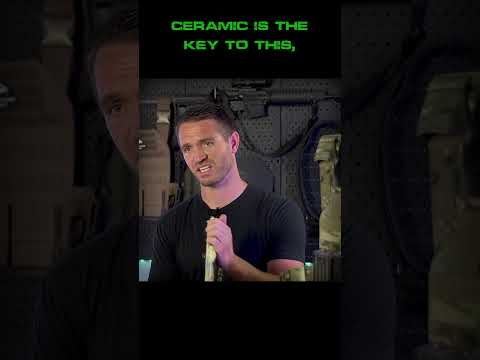
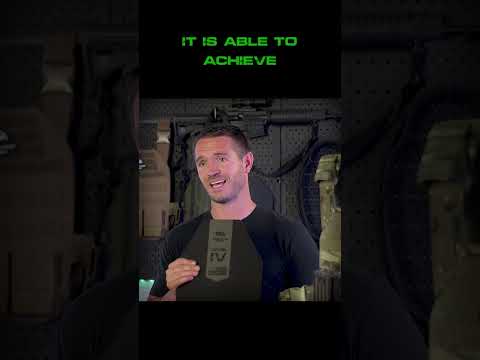
This video explains the working principle of Level 4 body armor, emphasizing the role of the ceramic strike face in breaking and slowing down armor-piercing rounds. The backer material then catches the significantly decelerated projectile. The speaker highlights that the ceramic is crucial, as without it, standard backer materials would fail against armor-piercing threats. Predator Armor's Level 4 plate is presented as a high-protection, value-oriented option.
This video explains the significant price variations in Level 4 armor plates by detailing the impact of different materials used in their construction. It highlights that the ceramic strike face can be made from materials like aluminum oxide, silica, or boron carbide, with boron carbide being the hardest and allowing for thinner, higher-performing plates at a greater cost. Similarly, the backing material, commonly pressed Kevlar, can also be fiberglass, Kevlar, or UHMWPE, each with distinct performance characteristics and price points, with variations even within UHMWPE affecting affordability and performance.
This video from Predator Armor focuses on their Level IV body armor, highlighting its construction and manufacturing. It features a ceramic strike face and Kevlar backer, emphasizing its American-made quality and reliability. The description encourages viewers to visit their website for more information and exclusive content, and to subscribe for future updates on manufacturing and personal protective equipment.
This video from Predator Armor provides an in-depth look at their Level IV body armor. The description highlights that the armor features a ceramic strike face and a Kevlar pressed backer, emphasizing its manufacturing in the USA and its exceptional protection capabilities. The video aims to showcase the key features and the quality manufacturing processes behind this advanced personal protective equipment. Predator Armor encourages viewers to visit their website for more details and exclusive content. The video is tagged with relevant terms like Level IV Body Armor, Predator Armor, manufacturing, and level 4.
This video from Predator Armor provides an in-depth look at their Level IV body armor. It highlights the advanced construction, featuring a ceramic strike face and Kevlar pressed backer, manufactured in the USA. The content details the key features and manufacturing processes that ensure the quality and reliability of this protective gear, aimed at providing users with exceptional protection.
This video highlights the critical importance of military ballistic helmets, specifically the Advanced Combat Helmet (ACH), for head protection against fragmentation and small arms fire. Instructor Nikko Ortiz, a veteran, uses a damaged helmet to humorously emphasize the protective capabilities and the potential consequences of not wearing one during training exercises like Land Navigation.
Gun Laws by State
Read firearms regulations for all 50 states + D.C.
Find Gun Dealers
Search licensed FFL dealers near you.