This video delves into the U.S. Army's adoption of the Next Generation Squad Weapon (NGSW) system, specifically highlighting the 6.8x51mm round. The primary driver for this change is the weapon's capability to defeat advanced Level 4 body armor, a critical requirement for future near-peer conflicts. The Sig Sauer MCX-SPEAR, a civilian variant, is showcased, offering insights into the technology behind this significant military upgrade.
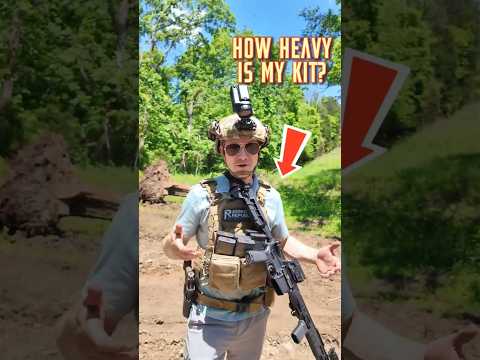
This video from Civilian Tactical details the weight and components of a full battle kit. The host, demonstrating practical gear integration, establishes a baseline weight and then adds a plate carrier with Level 4 plates, multiple rifle magazines, sustainment items like food and water, a fixed-blade knife, and a helmet with night vision. The final weight is measured, emphasizing the significant physical load and the importance of fitness for carrying such a kit.
This YouTube video from Predator Armor details the specifications of their Level IV ceramic body armor. Manufactured in the USA, the armor features a ceramic strike face and a Kevlar pressed backer. The video highlights the key features, manufacturing processes, and aims to showcase the quality and reliability of this personal protective equipment. It encourages viewers to visit their website for more information and exclusive content, and to subscribe for updates on manufacturing and PPE.
This video explains the significant price variations in Level 4 armor plates by detailing the impact of different materials used in their construction. It highlights that the ceramic strike face can be made from materials like aluminum oxide, silica, or boron carbide, with boron carbide being the hardest and allowing for thinner, higher-performing plates at a greater cost. Similarly, the backing material, commonly pressed Kevlar, can also be fiberglass, Kevlar, or UHMWPE, each with distinct performance characteristics and price points, with variations even within UHMWPE affecting affordability and performance.
This video from Predator Armor focuses on their Level IV body armor, highlighting its construction and manufacturing. It features a ceramic strike face and Kevlar backer, emphasizing its American-made quality and reliability. The description encourages viewers to visit their website for more information and exclusive content, and to subscribe for future updates on manufacturing and personal protective equipment.
This video from Predator Armor provides an in-depth look at their Level IV body armor. The description highlights that the armor features a ceramic strike face and a Kevlar pressed backer, emphasizing its manufacturing in the USA and its exceptional protection capabilities. The video aims to showcase the key features and the quality manufacturing processes behind this advanced personal protective equipment. Predator Armor encourages viewers to visit their website for more details and exclusive content. The video is tagged with relevant terms like Level IV Body Armor, Predator Armor, manufacturing, and level 4.
This video highlights Halloween specials on tactical gear, focusing on body armor and flashlights. It details a Level 3A plate for $69.99 and Level 4 plates at low prices, available via a campsite page. Additionally, it reviews the orange Archer Pro flashlight with multiple modes and the DarkBeam UV/white/red flashlight, noting its utility for Halloween and its features like USB-C charging and power bank capability.
This guide details the construction and testing of DIY body armor using common hardware store materials like a fiberglass welding blanket and ceramic tiles, secured with duct tape. The video demonstrates its effectiveness against 9mm handgun rounds and 5.56x45mm rifle rounds, comparing its thickness to Level 4 armor. The host, an enthusiast content creator, emphasizes proper range safety during testing.
This video likely focuses on the "Acelink Level 4s," which are almost certainly body armor plates. Given the title's brevity and lack of descriptive text, the content is expected to be a review, demonstration, or informational piece about these specific ballistic plates. The target audience is likely firearms enthusiasts, preppers, or individuals interested in personal protection and tactical gear. Expect discussions on ballistic protection, survivability, and potentially comparisons to other armor levels or brands.
This video appears to be a review or demonstration of Level 3a+ body armor, specifically highlighting its buoyancy. The title suggests a comparison to Level 4 armor, noting its lighter weight. The description directs viewers to a website for sponsor information and deals.
This video highlights a flash sale on body armor from Primary Arms, featuring Level 3A and Level 4 plates. The Level 3A plates are ultra-lightweight UHMWPE, stopping up to .44 Magnum, and are priced at $68.39. The Level 4 plates are a waterproof Alumina and UHMWPE composite, weighing 5.7 lbs, stopping rifle rounds like 5.56 and .308 with minimal backface deformation, priced at $127.49.
This video demonstrates the effectiveness of Guard Dog Body Armor's Ridgeback H4+ Level 4 plate against a .50 BMG round. The experiment, conducted by Classic Firearms hosts, shows that a single Level 4 plate successfully stopped the high-powered rifle round, protecting the ballistic dummy. A Level 3 plate was shown to be ineffective against the same threat.
Gun Laws by State
Read firearms regulations for all 50 states + D.C.
Find Gun Dealers
Search licensed FFL dealers near you.