This video reviews Guard Dog Body Armor Level IV plates, detailing their technical specifications, construction, and performance. The instructor highlights the plates' NIJ Level 4 rating, ability to stop 7.62 AP rounds, and multi-hit capability due to their ceramic tile design. The review also covers the UHMWPE backing, spall guarding, trauma padding, and the importance of proper plate placement.
This video highlights Easter specials on tactical gear, focusing on Goobur Tar optics and body armor from Guard Dog Armor. It details features like solar backup, shake awake technology, and IPX7 waterproofing for optics, and discusses the protective qualities of Level 3A plates. Additionally, it covers deals on tactical flashlights from Wurkkos and Hot Light, emphasizing their multi-functionality including UV light capabilities.
This video reviews the Guard Dog Level 3+ Personal Ballistic Shield, detailing its construction materials (aluminum oxide and UHMWPE) and NIJ RF2 rating. The presenter verifies its dimensions and tests its actual weight, finding it lighter than advertised. The shield is noted for its waterproof polyurea coating and its utility in providing enhanced safety during shooting activities.
This video tests the ballistic performance and backface deformation of inexpensive body armor, likely sourced from China. While it demonstrates surprising resistance to various pistol calibers and even some rifle rounds, significant backface deformation is a major concern for personal protection. The presenter advises against using it as primary body armor but suggests potential non-wearable applications.
This video demonstrates the internal construction of a soft ballistic vest, explaining how it stops bullets. It highlights the woven ballistic fibers, likely Kevlar or UHMWPE, and how their density and weave pattern absorb and disperse the projectile's energy. The vest is certified by NIJ standards and designed to stop common pistol cartridges.
This video provides a beginner's guide to selecting body armor plates, breaking down the core considerations of cost, weight, and protection. It details different plate materials (steel, ceramic, polymer) and NIJ protection levels (III, IV, III+, Special Threat), explaining their respective strengths and weaknesses. The instructor demonstrates live-fire testing of Level III polymer plates against various calibers, highlighting the importance of backface deformation and the limitations against specific ammunition types like M855 green tips.
This video explains the working principle of Level 4 body armor, emphasizing the role of the ceramic strike face in breaking and slowing down armor-piercing rounds. The backer material then catches the significantly decelerated projectile. The speaker highlights that the ceramic is crucial, as without it, standard backer materials would fail against armor-piercing threats. Predator Armor's Level 4 plate is presented as a high-protection, value-oriented option.
This video explains the significant price variations in Level 4 armor plates by detailing the impact of different materials used in their construction. It highlights that the ceramic strike face can be made from materials like aluminum oxide, silica, or boron carbide, with boron carbide being the hardest and allowing for thinner, higher-performing plates at a greater cost. Similarly, the backing material, commonly pressed Kevlar, can also be fiberglass, Kevlar, or UHMWPE, each with distinct performance characteristics and price points, with variations even within UHMWPE affecting affordability and performance.
This video provides an in-depth test of Premier Body Armor's FORTIS line of affordable body armor plates. The reviewer, Magic Prepper, tests three different plates (FORTIS 3+ RF1, FORTIS 3+ GT RF2, and Level 4 RF3) against various rifle calibers including M193, M855, and 308 M80. The testing focuses on penetration, backface deformation, and overall performance relative to NIJ standards and manufacturer claims, offering insights into the value proposition of budget-friendly ballistic protection.
This YouTube Shorts video explores the use of clay boxes in testing body armor, specifically highlighting Predator Armor's lightweight, rifle-rated Level III plates. The description details the plates' construction from UHMWPE material, their low weight (3.5 lbs) and thickness (0.8"), and their multicurve design for comfort. The video emphasizes that the plates meet and exceed NIJ Level III standards, capable of stopping 7.62x51 (M80 Ball) and higher velocity 5.56mm rounds (M193). It also notes that the product is 100% made in the USA.
This video highlights a flash sale on body armor from Primary Arms, featuring Level 3A and Level 4 plates. The Level 3A plates are ultra-lightweight UHMWPE, stopping up to .44 Magnum, and are priced at $68.39. The Level 4 plates are a waterproof Alumina and UHMWPE composite, weighing 5.7 lbs, stopping rifle rounds like 5.56 and .308 with minimal backface deformation, priced at $127.49.
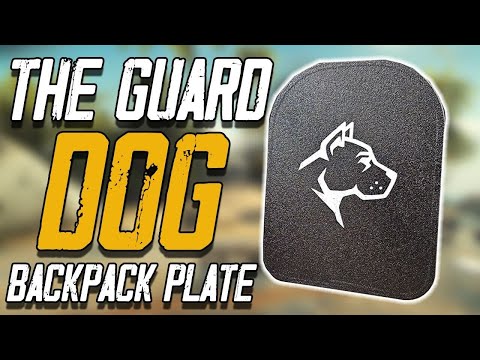
The Guard Dog Body Armor Backpack Plate is a 4lb, 10.5"x13.5"x0.8" insert made of UHMWPE, offering NIJ Level III+ protection against pistol and rifle calibers. It's designed to fit discreetly into laptop sleeves in backpacks, providing an affordable and accessible layer of personal protection for everyday carry and potential threats.
Gun Laws by State
Read firearms regulations for all 50 states + D.C.
Find Gun Dealers
Search licensed FFL dealers near you.