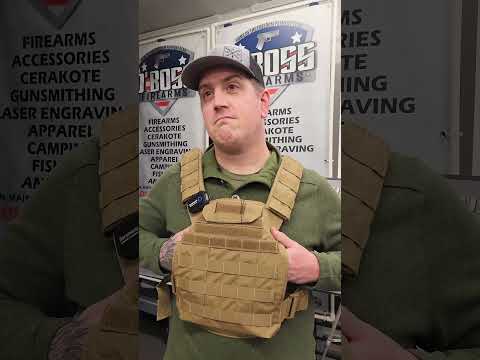
This video reviews Guard Dog Body Armor Level IV plates, detailing their technical specifications, construction, and performance. The instructor highlights the plates' NIJ Level 4 rating, ability to stop 7.62 AP rounds, and multi-hit capability due to their ceramic tile design. The review also covers the UHMWPE backing, spall guarding, trauma padding, and the importance of proper plate placement.
This video demonstrates a low-cost DIY method for creating rudimentary body armor using common materials: duct tape, a fiberglass welding blanket, and two ceramic tiles. The constructed armor was tested against 9mm, .223 Remington, and 5.56x45mm green tip ammunition. While it stopped 9mm and .223 rounds, it failed to stop the 5.56 green tip rounds, showing two clean exits.
This guide details the construction of a DIY body armor plate using readily available materials like ceramic tiles, a fiberglass welding blanket, and duct tape, costing approximately $23. The video demonstrates its performance against 9mm and .223 FMJ rounds, noting it stopped both but was penetrated by 5.56 Green Tip (M855). While not recommended for personal protection, it's presented as a viable option for reinforcing walls or other non-wearable applications. The instructor's expertise is evident in the practical demonstration and comparison to commercial armor plates.
This video from Kentucky Ballistics, featuring Scott, delves into the kinetic impact of various firearms on a specialized punching machine equipped with ceramic body armor plates. The experiment highlights how different calibers and projectile types transfer energy, with heavier rounds like the .50 BMG and .338 Lapua demonstrating significantly more 'punch' than standard rifle calibers. The high-energy, experimental approach provides unique insights into ballistic energy transfer.
This video explores a $5 upgrade for body armor using ceramic hexagonal tiles. The presenter tests if this modification can enhance the armor's ability to stop .308 Winchester rounds, building on a previous test where it stopped 5.56x45mm. The upgrade involves attaching ceramic tiles with duct tape to a base armor plate.
This video from GUNBROS features a lively debate among staff members on various firearms and accessories. Topics range from the relevance of the .45 ACP caliber and the aesthetics of white firearms to the utility of LPVOs and the enduring appeal of the 1911 platform. The staff's opinions are often strong and humorous, reflecting their expertise as retail professionals.
This video provides an in-depth review and ballistic testing of the Premier Body Armor Stratis Max body armor plates. The presenter, with apparent expertise in firearms and tactical gear, demonstrates the plates' performance against various rifle calibers, including 7.62x39mm steel core, M855 green tip, M855A1, and even a .50 caliber round. Key features highlighted include the RF3+ rating, multi-hit capability, ceramic construction, and edge-to-edge protection claims. The review emphasizes the importance of reliable body armor for personal defense and tactical operations.
This video provides a beginner's guide to selecting body armor plates, breaking down the core considerations of cost, weight, and protection. It details different plate materials (steel, ceramic, polymer) and NIJ protection levels (III, IV, III+, Special Threat), explaining their respective strengths and weaknesses. The instructor demonstrates live-fire testing of Level III polymer plates against various calibers, highlighting the importance of backface deformation and the limitations against specific ammunition types like M855 green tips.
This video focuses on high-speed ceramic plates, a critical component in ballistic protection. While the description is brief, the title directly indicates the subject matter. The provided links suggest the content creator has a presence on multiple platforms for further engagement and potential product showcases. The topic of ceramic plates is highly relevant to firearms enthusiasts interested in body armor and protective gear.
This video provides an in-depth look at the manufacturing and testing processes for composite body armor, specifically focusing on Hesco plates. It details the multi-step production from raw materials to finished product, including the use of polyethylene and ceramic components. The video also extensively covers NIJ certification standards, ballistic testing methodologies, and the importance of rigorous quality control to ensure reliable protection.
This video clarifies California's body armor laws, particularly in light of AB92. It explains that while a complete ban was averted, convicted violent felons face felony charges for possessing body armor, and prohibited persons face misdemeanor charges. The video also provides guidance on purchasing body armor, emphasizing NIJ certification, recommending ceramic over steel plates, and discussing threat levels and weight considerations.
This video reviews the CV LIFE budget plate carrier, highlighting its stitching quality, comfort, and features like a six-mag placard, laser-cut MOLLE, and a quick-release system. The reviewer, "Appalachian Smokewagon," finds it surprisingly comfortable and functional for its price point, even when loaded with SAPI plates. He plans to conduct further testing through activities like hiking to assess long-term durability and comfort.
Gun Laws by State
Read firearms regulations for all 50 states + D.C.
Find Gun Dealers
Search licensed FFL dealers near you.