This video provides a detailed ballistic gelatin test comparing FN's 40-grain FMJ and 40-grain SS197 V-Max ammunition fired from a PSA Rock 57 pistol. The test evaluates projectile performance, including velocity, penetration, expansion, and tumbling, both in bare gelatin and after passing through a makeshift barrier. The presenter notes the tendency of 5.7x28mm FMJ to tumble and its impact on damage, contrasting it with the SS197's ballistic tip performance.
This video breaks down various self-defense ammunition types, moving beyond traditional hollow points. It details the pros and cons of frangible bullets, EFMJ, JSP, JHP, SJHP, lead semi-wadcutter hollow points, ballistic tips, solid copper hollow points, and fluid transfer monolithic (FTM) bullets. The discussion emphasizes terminal performance, penetration, expansion characteristics, and suitability for different self-defense scenarios.
This video emphasizes the critical importance of testing carry ammunition for reliability in your specific firearm. The host, Trench Grenade, argues that 'fancy' carry ammo, despite its performance in gel tests, can be unreliable due to variations in bullet design and firearm feed ramp geometry. He stresses that every handgun is unique and requires live-fire testing with at least 100 rounds of chosen carry ammo to ensure it cycles flawlessly before relying on it for self-defense. If testing is not immediately feasible, he recommends using standard 124-grain Full Metal Jacket (FMJ) ammunition for training and carry.
This video explains the critical role of rifle twist rate in bullet stability and accuracy. It details how insufficient or excessive twist can negatively impact performance, leading to instability or even bullet disintegration. The discussion also covers the aerodynamic advantages and manufacturing inconsistencies of polymer-tipped bullets versus open-tip designs, emphasizing the importance of matching bullet weight and length to a rifle's twist rate, especially for handloaders.
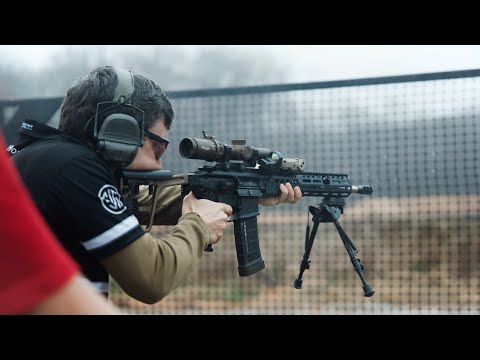
Daniel Horner details his SIG SAUER MCX rifle setup for competition, emphasizing the critical role of muzzle devices in maintaining accuracy. He shares insights on optic selection, including reticle size and mount height, and discusses ammunition choices for different shooting scenarios. The guide also covers the importance of rangefinding and wind calls using advanced optics.
This guide details the expert-level process of manufacturing rifle bullets, as demonstrated by Norma and TGS Outdoors. It covers the critical stages from copper cup formation and lead core production to the final assembly and specialized tipping for Ballistic Tip variants. The explanation highlights the precision required in drawing, cutting, flaring, stamping, and sizing to create high-quality projectiles.
This ballistic gel test compares the Federal Speer TNT .22 WMR and Remington AccuTip .22 WMR. The Speer TNT exhibited rapid, explosive expansion with very shallow penetration (under 4 inches), potentially limiting its effectiveness on bone. The AccuTip demonstrated more controlled expansion and significantly deeper penetration (8 inches), making it a more robust option for various applications. The test highlights the distinct performance characteristics of different bullet designs within the same caliber.
This video provides an in-depth accuracy test of a Savage 110 rifle chambered in .25-06 Remington, evaluating four different ammunition types at 100 yards. The presenter, demonstrating a good understanding of firearm performance, highlights the sub-MOA potential of the rifle with specific loads. The test reveals significant differences in accuracy between the tested ammunitions, with the Hornady American Whitetail 117gr Soft Point emerging as the most accurate load for this particular rifle setup.
This video demonstrates accurate shooting with a Bear Creek Arsenal .22 WMR upper at 300 and 400 yards. The instructor utilizes a 100-yard zero and employs 'Kentucky windage' techniques to compensate for bullet drop and wind at extended ranges, achieving consistent hits on a 20-inch steel gong. The demonstration highlights the capability of the .22 WMR cartridge for longer-range plinking and accuracy.
This video provides chronograph results for various .22 Magnum (.22 WMR) ammunition types fired from a Rossi RS22M rifle with a 21-inch barrel. The instructor tests several brands and bullet types, comparing their actual velocities against advertised figures, particularly noting the performance of self-defense rounds when fired from a rifle. The data offers insights into the velocity differences achievable with different loads in a rifle platform.
This episode of Gun Talk Nation tours the Remington Ammunition plant, highlighting their vertically integrated manufacturing process from raw materials to finished cartridges. The discussion focuses on the importance of rimfire ammunition for new shooters and the evolution of the iconic Core-Lokt line with the introduction of the Core-Lokt Tipped bullet, offering improved accuracy and ballistic performance while retaining trusted terminal ballistics.
This video provides a first look at the new Remington Core-Lokt Tipped ammunition. It highlights advancements in the popular Core-Lokt line, emphasizing a sleeker profile, flatter trajectory, and improved accuracy tested up to 500 yards. The description also encourages viewers to subscribe to Gun Talk for more similar content and lists various platforms where Gun Talk can be accessed.
Gun Laws by State
Read firearms regulations for all 50 states + D.C.
Find Gun Dealers
Search licensed FFL dealers near you.