This video emphasizes that defensive ammunition selection should be based on performance and testing in the specific firearm, not marketing or brand reputation. Key performance indicators include reliable penetration (12-18 inches FBI benchmark), consistent expansion through barriers like clothing, and controllability for fast follow-up shots. The speaker, Ted from Line 45, highlights that barrel length, gun weight, and recoil tolerance significantly impact ammunition performance, making personal testing crucial.
TheYankeeMarshal, an experienced firearms instructor, offers a practical perspective on self-defense ammunition, prioritizing penetration over expansion. He argues against excessive concern for overpenetration, suggesting focus should be on accurate shot placement. The video also touches on New Jersey's JHP regulations and compares the perceived effectiveness of ball ammo versus hollow points.
This guide outlines a comprehensive post-purchase protocol for the Glock Gen 6, emphasizing immediate range testing with substantial round counts of both FMJ and carry ammunition. It stresses the importance of consistent dry-fire practice, professional training from reputable instructors, and dedicated range time for familiarization. The advice extends to physical conditioning as a critical component of shooter improvement.
This video explores the capability of common carry calibers, particularly when loaded with specialized ammunition, to defeat Level IIIA soft body armor. The instructor highlights specific ammunition brands like Civil Liberty Defense, showcasing their high velocities and foot-pound energy figures for calibers such as .357 SIG, 9mm, and .45 ACP. The discussion emphasizes that certain rounds possess the power to penetrate body armor, a critical consideration for self-defense scenarios.
This Q&A session from Trench Grenade covers a range of firearms-related topics, including handgun carry options, ammunition performance, rifle building, and preparedness gear. The instructor, drawing on his military background and extensive firearms testing experience, emphasizes practical application, reliability, and the importance of mindset. He discusses specific firearm models, ammunition types like 77-grain OTM and M855A1, and essential EDC items, offering advice on how to approach training and gear selection for various scenarios.
This video discusses the choice between .32 ACP and .45 ACP for older individuals, considering factors like wrist and hand issues. The speaker suggests that while .32 ACP is viable for those with significant joint problems, .45 ACP is generally recommended for self-defense due to its stopping power, advising practice with lighter loads and carrying with hotter ones. The discussion also touches on the importance of consistent manual of arms between practice and carry firearms.
This video aims to help viewers understand what constitutes an adequate amount of ammunition for concealed carry. It delves into the pros and cons of the top four calibers for self-defense, offering practical advice for individuals who carry firearms for personal protection. The description also subtly prompts viewers to consider if they are using the most effective ammunition for their defensive needs.
This video details an in-depth accuracy and ammunition testing session for a custom Sig Sauer P365 build featuring an ECM R11 grip module and a Norsso ported slide and barrel. The presenter evaluates multiple 9mm ammunition types at 25 yards to determine optimal performance, noting that Speer Gold Dot 124gr hollow points yielded the tightest groups. The build's ergonomics, recoil mitigation from the ports, and overall shooting experience are also discussed.
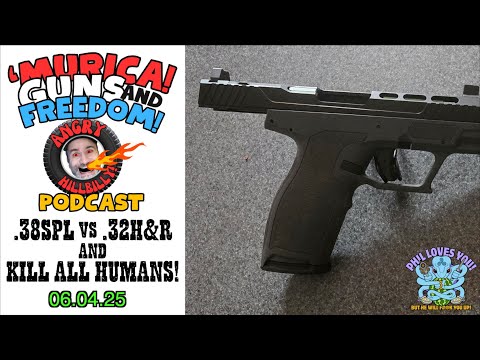
This video discusses the performance differences between .38 Special, .32 H&R Magnum, and .327 Federal Magnum calibers. The speaker asserts that .327 Federal Magnum and .32 H&R Magnum generally outperform .38 Special, offering more rounds and superior ballistic capabilities in comparable firearms. The discussion also touches on carry considerations and the relative effectiveness of different handgun calibers.
This video demonstrates the performance of Pilgrim Ammunition through ballistic gel tests and recoil comparison against Hornady Critical Defense. The tests highlight Pilgrim's high velocity (2000 ft/s), light 50-grain weight, and unique 'exploding' expansion pattern resulting in zero over-penetration. It also showcases significantly reduced recoil and improved control during rapid fire drills, making it a top choice for daily carry.
This video highlights Pilgrim Ammunition as the preferred carry ammo at Shark Coast Tactical, with all employees and the owner carrying it. The technical explanation focuses on its 50-grain weight and 2000 ft/s velocity, emphasizing its 'zero over penetration' characteristic. The ammunition is designed to penetrate barriers like car doors and 2x4s but then fragment in a unique pattern upon hitting fluid, minimizing risk to bystanders.
This video details a comprehensive accuracy testing process for a custom Sig Sauer P365 build, focusing on selecting the optimal carry ammunition. Lead Firearms Instructor Roger Barrera demonstrates how different ammunition types and weights impact group sizes at 25 yards, emphasizing the importance of finding what a specific firearm 'likes' for maximum accuracy and reliability. The guide includes insights into recoil mitigation with the Radian Ramjet comp and the performance of the Vortex Defender CCW optic.
Gun Laws by State
Read firearms regulations for all 50 states + D.C.
Find Gun Dealers
Search licensed FFL dealers near you.