This video critically examines the ATF's actions in the case of Brian Malinowski, a gun collector who was investigated and subsequently killed during a raid. It delves into the murky definitions of 'engaged in the business' of firearms dealing, the ATF's interpretation of laws, and the controversial execution of a no-knock warrant. The discussion highlights concerns about government overreach, the lack of clear regulations, and the potential for such actions to impact law-abiding citizens. The video also touches upon the ATF's policies regarding body cameras and the broader implications for Second Amendment rights.
This video details a House Judiciary Committee hearing where members grilled ATF Director Steve Dettelbach regarding the agency's practices. Key issues discussed include the controversial raid and death of Brian Malinowski, the ATF's alleged failure to use body cameras, the ambiguity and potential overreach of the 'engaged in the business' rule, and concerns about an illegal gun registry. Several representatives criticized the ATF's tactics and rulemaking, suggesting they exceed congressional authority and create 'fake laws'.
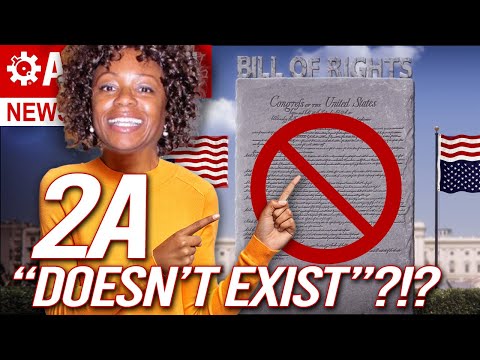
This ARFCOM News report critically examines political figures and legal issues surrounding Second Amendment rights. It highlights criticisms of Representative Tony Gonzales for his stance on gun control, promotes Brandon Herrera's campaign, and discusses the ATF's body camera policies and the controversial conviction of Dexter Taylor in New York, featuring Judge Abena Darkeh's remarks on the Second Amendment. The video also touches on the Supreme Court's consideration of 'ghost guns' and alleged discrimination in background check systems.
This live Q&A session with Kevin Michalski of the USCCA covers a range of self-defense topics, including legal considerations for using firearms against animals, optimal carry positions, the importance of calling 911 first after an incident, and ammunition recommendations for home defense. Michalski also discusses the ATF's restriction on UTM training ammunition, the effectiveness of AR-15s for home defense, and the legal nuances of using deadly force. The session emphasizes proactive preparation, situational awareness, and understanding the totality of circumstances in self-defense scenarios.
This video discusses the legal and practical considerations of recording police during a self-defense incident. Hosted by Kevin Michalowski of the USCCA and attorney Tom Grieve, it explores whether it's advisable to film interactions with law enforcement after a self-defense shooting. Key points include evaluating how video evidence might be perceived by courts and media, personal safety concerns when handling a phone, the prevalence of police body and dash cams, and the importance of careful conduct if being recorded. The video advises viewers to proactively consider these factors as part of their self-defense planning and suggests checking local police department policies on body cameras.
This video discusses the Chicago Police Department's new training initiatives focusing on mental health and body cameras, spurred by use of force incidents. It features an interview with Instructor Mike and reporter Anita Padilla from Fox 32 Chicago. The description raises questions about whether community engagement and public education on criminal justice and police interactions are adequately addressed in these new measures, suggesting a potential gap in bridging community and police relations.
You've reached the end! 6 videos loaded.
Gun Laws by State
Read firearms regulations for all 50 states + D.C.
Find Gun Dealers
Search licensed FFL dealers near you.