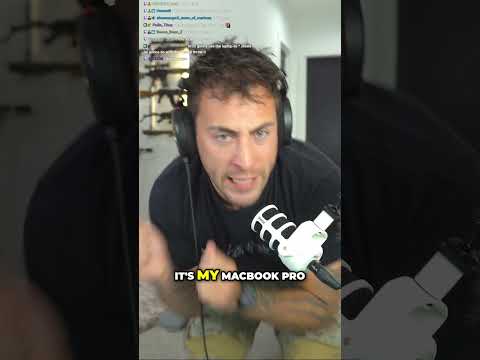
This video features a firearms instructor with extensive law enforcement experience, including work with ICE, DEA, US Marshals, and Secret Service. He critically analyzes the root causes of police and ICE shootings, attributing 90% to financial motivations and insufficient training budgets. The instructor highlights how budgetary constraints lead to inadequate tactical training, particularly for officers with non-tactical backgrounds, resulting in dangerous situations like 'puppy dogging.' He advocates for increased funding for comprehensive tactical training, including de-escalation techniques and physical control methods like Jiu-Jitsu, as a solution.
This video emphasizes the critical need for rigorous and continuous firearms training for police officers, arguing that current post-academy training is often insufficient. It highlights how inadequate preparation can lead to tragic errors, such as mistaking a Taser for a firearm, and contrasts police training with the more intensive military model. The speaker asserts that societal expectations of police perfection must be matched by adequate funding for comprehensive, realistic training to improve decision-making under stress and reduce mistakes.
This video features Nikko Ortiz, a tactical lifestyle influencer, critically analyzing police training. He uses bodycam footage of an officer overreacting to a suspect with a laptop to highlight perceived deficiencies in police academy curricula. Ortiz argues for more high-stress, scenario-based training to improve officer composure and response in real-world situations.
This analysis from Active Self Protection dissects a critical incident in Pocatello, Idaho, involving law enforcement's response to a special needs individual. The video highlights the rapid escalation of force, the challenges of dispatch information, and the potential for alternative de-escalation tactics, particularly in light of the suspect's condition and the tactical environment. It underscores the need for enhanced police training for neurodivergent encounters and community support systems.
This video analyzes a 2018 incident where a Kings County Sheriff's deputy drew his weapon on an unarmed biker during a traffic stop initiated by an unmarked vehicle. The instructor emphasizes the critical importance of situational awareness for all individuals, especially those who are armed. The analysis highlights the potential for severe escalation due to the officer's tactics, the biker's lack of immediate identification of the officer, and the lack of proper police identification. It underscores the need for better police training in de-escalation and the proper use of force, particularly with unmarked vehicles, and advises gun owners to remain aware and prepared for unexpected encounters.
This video focuses on the rigorous training and dedication of the St. John's Parish SWAT Team. It emphasizes the importance of teamwork, standards, and relentless commitment through various training evolutions like morning fitness, range blocks, and mission preparation. The description highlights that earning the patch is an everyday effort built on sweat, friction, and mutual reliance, promoting the concept of 'being a pro'.
This video features Nikko Ortiz humorously critiquing police training, specifically a drill involving a Makarov PM handgun. While the content is satirical, it touches on firearms handling and tactical movement, albeit with a comedic lens. The commentary highlights the visual of a police officer performing dry fire practice with the Makarov PM.
This video breaks down a viral incident where a female officer discharged a firearm while attempting to disarm a cooperative citizen. The discussion highlights the importance of proper firearm retention, the risks associated with improper disarming techniques, and the potential legal ramifications of negligent discharges. It emphasizes that officers should prioritize safety and avoid unnecessary actions that could lead to accidents, suggesting that removing the entire holster is a safer alternative to fumbling with the firearm itself.
This video provides expert-level instruction on retro police shotgun training, emphasizing the importance of dedicated shotgun practice. A police training instructor details the ballistics and advantages of 12-gauge shotguns, covering ammunition types like 00 buckshot and rifled slugs, and explaining their effectiveness in various scenarios. The instruction highlights the shotgun's power and the benefit of multiple projectiles for less precise aiming needs.
This video presents a common rifle and pistol pairing, featuring an AR-15 M4-style rifle chambered in 5.56/.223 and a Glock 23 pistol in .40 S&W. The presenter likens this setup to an 'Anytown USA' patrol configuration, reflecting what might be seen in small to medium-sized police departments where officers carry AR-15s as patrol rifles and Glocks as duty sidearms.
This video demonstrates a "downed limb" malfunction drill for the AR-15 platform, simulating a hand wound. Conducted on a closed range under police and military instructor supervision, the drill focuses on transitioning to a one-handed shooting grip when an injury compromises normal weapon manipulation. The description emphasizes the commonality of hand wounds in force-on-force training due to aiming at center mass, where the hands are located. While acknowledging it's an extreme scenario, the video promotes training for all possibilities and highlights the fun instructors have testing students.
This video from Warrior Poet Society, featuring John Lovell, critiques a police officer's negligent discharge. Lovell, a firearms safety advocate, emphasizes the critical importance of safe firearm handling, highlighting that such errors disqualify individuals from law enforcement roles. The incident serves as a stark reminder of the need for rigorous training and adherence to safety protocols.
Gun Laws by State
Read firearms regulations for all 50 states + D.C.
Find Gun Dealers
Search licensed FFL dealers near you.