This video from Kentucky Ballistics features Scott testing a variety of firearms and even some unconventional projectile launchers against a massive 250-pound ballistic gel "Mega Furby." The experiment aims to determine what it takes to defeat such a large, dense target, showcasing everything from small-caliber handguns to powerful anti-tank rifles. The content highlights the destructive potential of different calibers and weapon systems in a unique, albeit entertaining, terminal ballistics demonstration.
This video provides an in-depth review of the British Boys Anti-Tank Rifle from Kentucky Ballistics. The host, Scott, details its historical significance in WWII, its formidable .55 Boys caliber, and its notorious recoil, earning it the nickname 'Collarbone Breaker.' The review includes technical specifications, a feature walkthrough, live-fire demonstrations, and penetration tests against various materials, including body armor. Scott's high authority level as an experienced firearms content creator is evident throughout the enthusiastic and informative presentation.
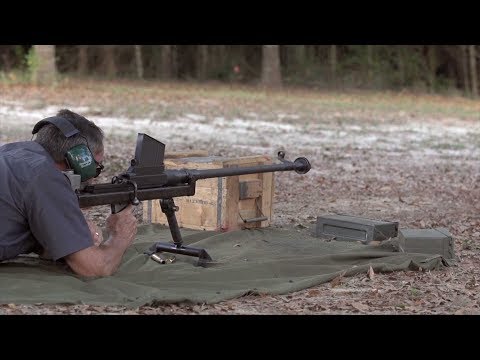
This guide details the technique for firing the Boys Anti-Tank Rifle, emphasizing preparation and recoil management. The video demonstrates proper handling of this high-recoil vintage firearm from a standing position on an outdoor range. It highlights the significant muzzle blast and rearward movement experienced during discharge.
This video provides an in-depth look at the Boys Mk I* Anti-Tank Rifle, a massive firearm designed by Captain Boys. While initially intended for anti-tank roles, its effectiveness against rapidly advancing tank technology led to its repurposing as an anti-material rifle, particularly against armored cars. The specific rifle featured was contracted to the US government and likely saw service in the Pacific Theater against Japanese armor.
This video details the complex gunsmithing process of converting a mutilated Boys anti-tank rifle into a functional firearm. The presenter outlines the steps to replace the original .55 caliber barrel with a Browning .50 caliber barrel, modify ammunition to fit, and shorten the rifle while preserving its aesthetic integrity. The process involves significant machining and woodworking to create a unique and rare piece of kit.
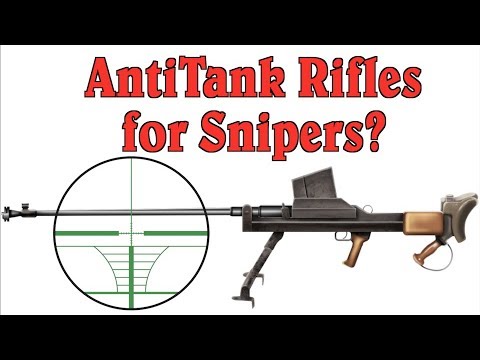
This expert analysis from Ian McCollum debunks the notion that anti-tank rifles were sniper rifles. It details why their heavy weight, inconsistent armor-piercing ammunition, rapid barrel erosion, and recoil-sensitive optics made them unsuitable for precision long-range sniping, despite their power. The video highlights logistical and ergonomic disadvantages compared to dedicated sniper platforms.
This video provides a high-level demonstration of several historical firearms from various eras and nations. Expert instruction is evident through safe handling and clear explanations of each firearm's operation, including the M1 Garand, STG 44, and Boys Anti-Tank Rifle. The demonstrations cover basic firing and highlight unique features of each weapon.
This video provides an expert-level demonstration of the Boys Anti-Tank Rifle, a significant historical firearm. The presenter, with high authority, showcases the rifle's design, loading procedures, and firing characteristics, including detailed slow-motion analysis of recoil and impact. The content is highly informative for enthusiasts of rare and powerful historical weaponry.
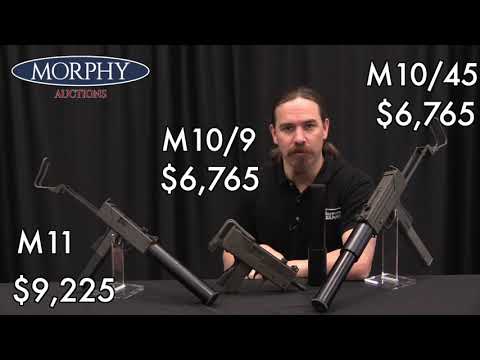
This video provides a detailed review of the April 2019 Morphy Auctions results, featuring firearms expert Ian McCollum. It covers a wide range of historical and modern firearms, from needle rifles to anti-tank guns and suppressed pistols, discussing their sale prices and market trends. The analysis highlights significant auction premiums and the value of rare or historically important pieces.
This video from NRA Publications delves into the history and specifications of the Boys Anti-Tank Rifle. Experts Mark Keefe, Jim Supica, Bruce Canfield, and Martin Morgan discuss its development, performance, and historical use, including its role in WWII and its transition to an anti-materiel weapon. The segment also touches on its use by US Marines and propaganda efforts to boost soldier confidence.
This guide details the basic disassembly and maintenance of the British Boys Anti-Tank Rifle, focusing on bolt removal and cleaning. Expert Ian McCollum demonstrates the process, highlighting the rifle's robust bolt design and the integrated oiler. Proper maintenance is crucial for preserving historical firearms like the Boys Anti-Tank Rifle.
You've reached the end! 11 videos loaded.
Gun Laws by State
Read firearms regulations for all 50 states + D.C.
Find Gun Dealers
Search licensed FFL dealers near you.