This video explores the technological disparity between matchlock and flintlock firearms, highlighting how this difference contributed to the British victory in the Opium Wars and the acquisition of Hong Kong. It contrasts the slow, unreliable ignition of matchlocks with the more advanced and reliable flintlock mechanism, demonstrating the practical implications of these firearms in historical conflicts. The discussion also touches upon the socio-economic factors, including the opium trade, that underpinned these historical events.
This video explains how British gun control efforts were a primary catalyst for the American Revolution. It details how acts like the ban on firearm importation and the confiscation of gunpowder and arms by figures like General Gage fueled colonial anger, directly influencing the establishment of the Second and Fourth Amendments.
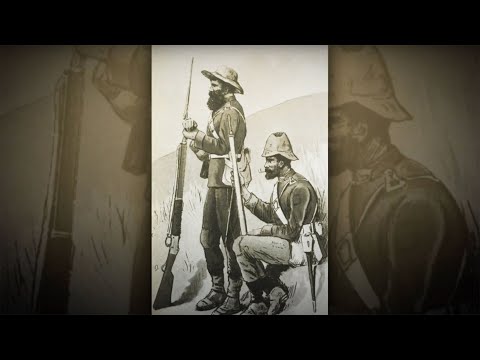
This video provides a historical overview of the Martini-Henry rifle, detailing its development from earlier designs like the Peabody and Snyder conversions. It highlights the rifle's service with the British military, particularly its iconic role during the Zulu War and at Rorke's Drift. The discussion covers the evolution of the Martini-Henry through its various marks (Mark I to Mark IV), including changes in action refinement and caliber, culminating in the 40 caliber Mark IV.
This episode of American Rifleman TV features a deep dive into the iconic Colt Python revolver, tracing its history from 1955 and highlighting its recent re-release. The "Rifleman Review" segment examines the Smith & Wesson Model 648-2 chambered in .22 WMR. The "I Have This Old Gun" segment explores the historical significance of the Pattern 1853 Enfield rifled musket, noting its service with the British Empire and its role in the American Civil War.
This video provides an expert-level overview of the Enfield No1 MkIII .410 Musket, detailing its historical context as an arsenal-converted shotgun for riot control and police use within the British Empire. The presenters, recognized subject matter experts, highlight key identification features such as the smoothbore barrel, plugged magazine well, and pinned rear sight, differentiating it from standard rifles. They also demonstrate various .410 ammunition types, including standard loads and the 'cut shell' technique.
This episode of American Rifleman TV delves into the handguns of World War I, specifically focusing on revolvers used by the British and Commonwealth forces. It highlights the iconic Webley revolver, detailing its design, caliber, and historical context during the Great War, emphasizing its role as a reliable 'man stopper' despite its underpowered cartridge.
You've reached the end! 6 videos loaded.
Gun Laws by State
Read firearms regulations for all 50 states + D.C.
Find Gun Dealers
Search licensed FFL dealers near you.