This YouTube video, titled "Quantas páginas são necessárias pra segurar um tiro de .22lr?" (How many pages are needed to stop a .22lr shot?), investigates the penetration capabilities of .22 Long Rifle ammunition through paper. The video aims to provide a practical understanding of the ballistic performance of this common rimfire cartridge, likely through a series of tests or demonstrations. It is relevant for firearm enthusiasts interested in ammunition behavior and protective measures.
This video discusses the unreliability of stated ammunition velocities often found on packaging. It emphasizes that real-world performance can differ significantly from advertised figures. While specific firearm models or calibers are not mentioned in the provided title and description, the core topic suggests a focus on ballistic data, ammunition performance, and potentially firearm testing or comparison where velocity is a key metric. The link provided likely leads to a vendor or manufacturer related to firearms or ammunition.
This video title suggests a destructive testing or comparison of the .460 S&W cartridge against concrete. It's likely to involve firing a firearm chambered in .460 S&W to observe its penetration capabilities and the effects on the concrete. The content would appeal to viewers interested in terminal ballistics, cartridge performance, and potentially firearm durability under extreme conditions. Specific details on the firearm used, the type of concrete, and the testing methodology would be crucial for a full assessment, but based on the title alone, it's a direct comparison of a powerful handgun round against a common building material.
This YouTube video, titled "Federal 7mm Backcountry ammo ballistics explained by Federal engineer - FirearmsGuide.com," features an explanation of the ballistics of Federal's 7mm Backcountry ammunition. The video likely provides technical details and insights from a Federal engineer regarding the performance characteristics of this specific ammunition type. The description also highlights FirearmsGuide.com's extensive gunsmithing library, manual collection, and searchable gun and ammo reference guide, suggesting a focus on technical and informational content for firearms enthusiasts.
This YouTube video is a short focusing on ballistic gelatin testing of the 5.7x28mm cartridge. The primary goal is to demonstrate and evaluate how this specific ammunition performs when impacting ballistic gelatin, providing insights into its terminal ballistics characteristics. The content is directly related to firearm ammunition performance and testing methodologies.
This video focuses on the final testing phase of "Black Tip 7.62x39" ammunition. While the specific firearm being tested isn't detailed in the provided data, the core subject is the performance and evaluation of this particular ammunition type. Viewers can expect insights into how this ammunition performs, likely in a shooting or range environment, as it undergoes its final testing stages before potential broader use or release.
This YouTube video focuses on high-velocity 9mm ammunition, specifically highlighting loads capable of exceeding 2,000 feet per second (FPS). The title and description indicate a discussion or demonstration of this powerful ammunition type. Potential topics include ballistics, terminal performance, and the firearms capable of handling such velocities.
This YouTube video features a slow-motion comparison of a .308 caliber projectile impacting a ballistic dummy head. The description provides links to the creator's Patreon, social media (Instagram and Twitter), website for reviews, and email for business inquiries. It also highlights a "2WILD MEMBER" option for channel support. The content focuses on the terminal ballistics of the .308 round against a simulated human head.
This video from Autumns Armory investigates the reliability of ammunition that has been exposed to water. It aims to answer the critical question of whether wet ammo is still safe and functional for use, a common concern for firearms owners. The description also includes promotional links to various brands, including Refuge Medical, Cold Steel, Walker's Game Ear, and Ballistic Ink, as well as links to join the channel membership and support on Patreon, and the creator's website.
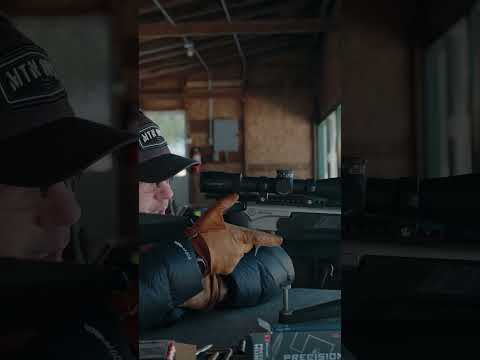
This video provides a detailed ballistic comparison of several popular rifle cartridges, including 6.5 Creedmoor, 6.5 PRC, 300 Win Mag, 300 PRC, and 338 Lapua Magnum. It analyzes drop, velocity, and energy retention at various distances, highlighting the advantages of modern projectile design and higher ballistic coefficients. The discussion also touches on rifle barrel life, optic selection, and the practical considerations of choosing a long-range cartridge.
This video delves into the debate surrounding the 6.5 Creedmoor, analyzing whether it's overhyped or underrated. The speaker, demonstrating high authority and expertise, compares it to other cartridges like the 6.5 Grendel, .260 Remington, and .264 Winchester Magnum, highlighting their respective strengths and weaknesses in terms of recoil, velocity, and application. Ultimately, the 6.5 Creedmoor is presented as a highly versatile 'all-rounder' for most shooters.
This guide details a ballistic comparison between 9mm+P, .40 S&W, and .357 SIG calibers, using empirical data from chronograph readings and muzzle energy calculations. The analysis, presented by The Yankee Marshal, highlights the significant performance advantages of .357 SIG, while also considering practical aspects like feeding reliability and availability. It provides insights for selecting an effective self-defense handgun caliber.
Gun Laws by State
Read firearms regulations for all 50 states + D.C.
Find Gun Dealers
Search licensed FFL dealers near you.