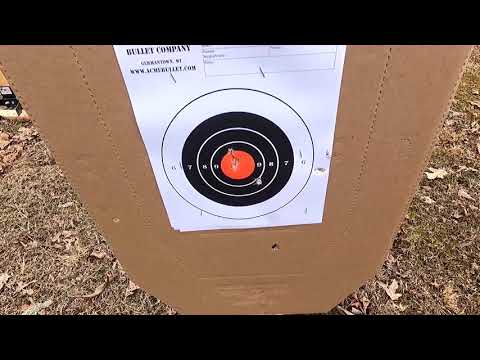
This video debunks the myth of carving an 'X' into cast bullets for expansion. The speaker, identified as a hobbyist, explains that this practice is ineffective for increasing bullet expansion and could potentially weaken the bullet. The primary perceived benefit is humorously linked to vampire hunting, not practical ballistics.
This video analyzes the current cost-effectiveness of reloading ammunition in 2025. It breaks down component costs for powder, primers, and projectiles, comparing them to factory ammunition prices. The analysis highlights that while component costs have risen significantly, reloading, especially with cast bullets, can still offer substantial savings, though labor and time investment are key factors.
This video provides a fundamental guide to reloading pistol cartridges, specifically the .44 Special, using a Lee Classic Turret Press. Steve Ostrem demonstrates a four-step process: sizing and de-priming, priming, expanding the case neck and dispensing powder, and finally, seating and crimping the bullet. The tutorial emphasizes safety with eye protection and highlights the press's suitability for small batches.
This YouTube video focuses on "Hardcast" ammunition in the context of a Ruger Blackhawk revolver. The title and description indicate the video will likely explore the performance and use of hard-cast bullets with this specific firearm. The inclusion of "EDC" suggests a potential discussion around carrying or using the Ruger Blackhawk with this type of ammunition for everyday self-defense or utility.
This YouTube video showcases Hi-Tek coated bullets from Steel Valley Casting. The creator expresses high satisfaction, stating they are the 'best I ever used.' The video likely demonstrates or discusses these specific bullets, highlighting their quality and performance. A link to the Steel Valley Casting website is provided.
This video features hickok45 discussing and shooting his Smith & Wesson Schofield revolver chambered in .45 Colt. He demonstrates handloads with wads, explains the function of gas checks, and compares the Schofield's top-break action to other revolvers. The video also touches on the history of the Schofield and its contemporaries, as well as broader philosophical points about appreciating the present and firearm ownership.
This 'Smith Busters' episode debunks the myth that shooting jacketed bullets can effectively clean lead fouling from a firearm barrel. While jacketed bullets may remove some powder residue and lubricant, they primarily iron lead into the barrel's grooves rather than removing it. For proper lead removal, using a dedicated lead solvent and brushing is recommended. This is particularly important for .22 rimfire conversions in AR-15s, where wax and lubricants can build up, impacting accuracy when switching back to centerfire ammunition.
This video details a firearms instructor's testing of various 10mm loads in a Glock 29, specifically focusing on bullet stabilization issues with plated projectiles in its polygonal rifling. The instructor compares results with a conventionally rifled XDM and identifies specific bullet types and velocities that perform poorly, leading to keyholing and poor accuracy. The conclusion is that a barrel swap to conventional rifling is necessary for optimal performance with desired carry ammunition.
This guide, presented by firearms expert Hickok45, details methods for preventing and removing lead fouling in firearm barrels. It covers the differences between cast and jacketed bullets, traditional cleaning techniques, and a preventative method using jacketed rounds. A critical safety warning is included regarding pressure spikes when cleaning heavily fouled barrels.
This video from Brownells discusses selecting a barrel for a Polymer80 pistol build. Key considerations include proper length, aesthetic features like fluting or coatings, and functional options such as threaded muzzles for suppressors or muzzle brakes. The presenter highlights that barrels with conventional rifling, unlike some polygonal rifling, are suitable for shooting cast bullets without issue.
This video provides expert guidance on safely developing reduced firearm loads, emphasizing the dangers of deviating from minimum charge weights and the risks associated with filler materials. It details methods for ensuring correct powder levels in bottleneck cases using simple gauges and recommends the Lyman Cast Bullet Handbook as an authoritative resource for reduced load data, particularly when using cast bullets. The instructor highlights the benefits of reduced loads for fun, economy, and reduced recoil, while stressing the critical importance of meticulous safety practices.
This episode of Tom Gresham's Gun Talk's "After Show" from December 4, 2016, covers a variety of topics. Hosts Tom, Jim, and Michelle delve into the intricacies of custom-made molds for casting bullets, a popular hobby among firearms enthusiasts. They also discuss Christmas shopping for firearms and holsters, offering insights into potential gifts for gun owners. The conversation includes a lighthearted mention of Jim's hair, adding a personal touch to the broadcast. The show emphasizes its live radio broadcast schedule and availability through podcasts, streaming, and the Gun Talk YouTube channel.
Gun Laws by State
Read firearms regulations for all 50 states + D.C.
Find Gun Dealers
Search licensed FFL dealers near you.