This video discusses three of the worst firearms ever made. It covers the Liberator, a single-shot firearm made from stamped sheet metal designed for resistance fighters to use once. It also details the Crom, a firearm with a 90-degree bent barrel intended for shooting around corners, and the Coats Drum Rifle, notable for its dangerous cylinder placement requiring the user's hand in front of it. The video highlights the risk of chain fires in revolvers, where multiple rounds can discharge simultaneously, potentially causing severe injury.
This video, presented by Civilian Tactical Host, delves into historically significant firearms with notable design flaws. It covers the FP-45 Liberator, a single-use resistance weapon, the Krummlauf with its unique 90-degree barrel bend for shooting around corners, and the dangerous Colt Revolving Rifle, highlighting its 'chain fire' issue. The host emphasizes firearm safety and proper handling techniques, even when demonstrating with modern equipment like an HRT Tactical Gear plate carrier.
This video explains the phenomenon of chain fires in cap and ball revolvers, detailing their causes, dangers, and prevention methods. Instructor Dustin from Guns of the West uses a Third Model Dragoon for demonstration and provides video examples of chain fires. Key takeaways include the importance of correctly sized bullets and percussion caps, the role of lubricants and wads, and the potential for damage to the firearm and injury from unintended detonations.
This Q&A session from InRangeTV covers a wide range of firearms-related topics, including rifle reliability with mixed ammunition, the evolution of optic reticles, comparisons of red dot sight types, and discussions on bullpup rifle performance. The host also touches on historical firearms, shooting sports, and personal preferences for music and food, offering insights from an experienced firearms instructor and content creator.
This video, titled "The LeMat Revolver, Part 2: No More Chain Fires," is the second installment in a series focusing on the LeMat Revolver. The title specifically mentions addressing the issue of "chain fires," which is a known historical problem with some revolvers. This suggests the content will likely involve a technical discussion, potentially demonstrating solutions or explaining the mechanics behind preventing these misfires on this particular firearm. Given it's part two, it implies previous content has already established the context of the LeMat Revolver.
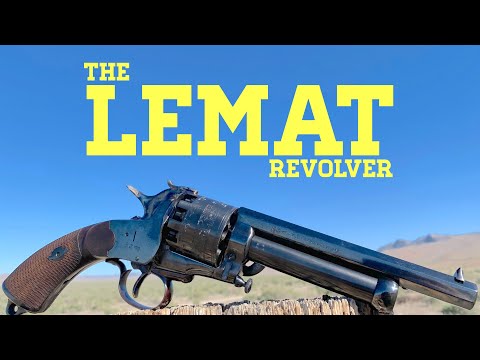
This guide details the loading and firing procedure for the LeMat Revolver, a unique firearm featuring both a .44 caliber cylinder and a 20-gauge shotgun barrel. It covers the specific black powder charges, projectile types, and the mechanism for selecting between the revolver and shotgun barrels. The video emphasizes safety and addresses potential issues like chain fires, offering insights from an experienced instructor.
This guide details safe handling procedures for the Colt 1855 Revolving Rifle, emphasizing techniques to mitigate risks like chain fire and gas leakage. It highlights the importance of hand placement and proper percussion cap usage, drawing on expert insights from Ian McCollum of Forgotten Weapons. The Colt 1855 is presented as a historically significant repeating firearm with unique safety considerations due to its 1855 design.
This video provides an expert-level overview of the Porter Turret Rifle (2nd Variation), detailing its historical context, unique radial turret design, and safety improvements over earlier models. Ian McCollum of Forgotten Weapons highlights the rifle's mechanics, including its lever-action, 9-round capacity, .50 caliber chambering, and innovative priming system, while also discussing its inherent safety risks and historical anecdotes.
This guide details the disassembly of the Wesson & Leavitt Revolving Rifle, focusing on accessing the cylinder for reloading. The process involves a specific button-released hook that allows the barrel to pivot, enabling cylinder removal. The video highlights the historical context and mechanical intricacies of this rare firearm, including its patent-related design modifications and practical flaws like cylinder gap and chain fire.
You've reached the end! 9 videos loaded.
Gun Laws by State
Read firearms regulations for all 50 states + D.C.
Find Gun Dealers
Search licensed FFL dealers near you.