This guide details how to test propellant temperature sensitivity, a crucial factor for consistent long-range accuracy. It emphasizes using a reliable chronograph and testing ammunition across a wide temperature range, from cold to hot conditions. The process involves calculating the muzzle velocity change per degree Fahrenheit to understand how temperature fluctuations affect performance, enabling shooters to account for these variations in their ballistic solutions.
This review of the Garmin Xero C1 Pro chronograph highlights its ease of use, flexibility, and value for various shooting disciplines. The speaker, Ivan from kitbadger.com, emphasizes its utility for long-range shooters, hunters, and even airgun enthusiasts. He details the setup process, the importance of accurate velocity data for ballistic solvers, and compares it favorably to older chronograph technologies like MagnetoSpeed and Labradar.
This expert-level analysis details a ballistic gel test comparing Wilson Combat's 115gr and 124gr .38 Super +P XTP ammunition fired from a Colt Gold Cup National Match 1911. The test, conducted by Tools&Targets, provides comprehensive data on velocity, penetration, weight retention, and expansion, offering insights into the self-defense capabilities of these loads. The speaker, demonstrating expert authority, breaks down the performance metrics and compares them to advertised specifications.
This guide details a comprehensive testing methodology for specialized ammunition, specifically focusing on a detonator-loaded bullet. It outlines a step-by-step process for evaluating its performance against various targets, from soft tissue simulants to hard materials, using standard FMJ rounds as a baseline. The expert-level approach emphasizes meticulous documentation, velocity measurement, and analysis of impact effects to understand the unique destructive capabilities of such ammunition.
This video from Banana Ballistics explores pushing the limits of .22LR velocity using modified ammunition, specifically nail gun blanks. The expert instructor demonstrates advanced testing techniques with various chronographs and firearms, highlighting extreme velocities and potential dangers. The content emphasizes safety and provides insights into the performance of different ammunition types and firearm durability under stress.
This video demonstrates the use of a Smith & Wesson 629 Performance Center .44 Magnum revolver at an outdoor shooting range. Expertly handled by Mr. Madness, the session focuses on testing DoubleTap Ammunition using a Garmin Xero C1 Pro chronograph to measure projectile velocity. The footage highlights safe firearm handling and the collection of specific ballistics data for performance analysis.
This video from Ballistics Lab provides an expert-level explanation of standard deviation in ammunition performance. The instructor demonstrates how lower standard deviation in handloaded ammunition leads to tighter groups and more consistent impacts at longer distances compared to factory loads. The content highlights the practical application of ballistic data for improving shooting accuracy.
This video from Mr. Madness conducts a penetration test comparing 10mm, .357 Magnum, .44 Magnum, and 12 Gauge calibers for bear defense. It includes velocity measurements using a Garmin Xero C1 Pro and tests against ballistic media and a Level IV ceramic plate. The presenter emphasizes bear spray as a primary defense.
This video from TREX ARMORY highlights the critical role of accurate muzzle velocity data for precise shooting. It introduces the Garmin Xero C2 chronograph as a tool to obtain this data, emphasizing that online approximations are insufficient for serious accuracy. The instruction comes from an experienced individual, suggesting a focus on practical application for shooters seeking to improve performance.
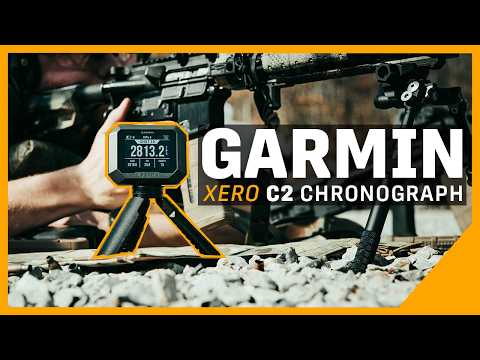
This video provides a comprehensive overview and guide to using the Garmin Xero C2 Chronograph. It covers unboxing, setup, app connectivity, and practical demonstration of collecting muzzle velocity data for both rifles and pistols. The instructor highlights key features like Applied Ballistics integration and improved rapid-fire capture compared to its predecessor, emphasizing the importance of accurate muzzle velocity for ballistic calculations.
This video provides a data-driven comparison between the .308 Winchester and 7.62x39mm calibers, specifically testing their performance from short barrels (16 inches) out to 100 yards. The host, demonstrating high expertise with ballistics, uses a LabRadar chronograph to collect precise velocity and energy data, concluding that the .308 Winchester significantly outperforms the 7.62x39mm even in shorter configurations.
This expert-level guide details a ballistic gel test comparing Winchester Ranger T-Series .45 GAP and .45 ACP +P self-defense ammunition. Conducted by the Tools&Targets host, the test utilizes professional equipment like a LabRadar chronograph and ballistic gel blocks with clothing barriers. The analysis focuses on velocity, muzzle energy, projectile expansion, and penetration depth, providing objective data for self-defense ammunition selection.
Gun Laws by State
Read firearms regulations for all 50 states + D.C.
Find Gun Dealers
Search licensed FFL dealers near you.