This video explains the historical development and enduring popularity of the 9mm cartridge. It details how George Luger designed the 9x19mm Parabellum for the Luger PA pistol, balancing power, recoil, and capacity. The cartridge's adoption by the German army in 1908 and its widespread use in both World Wars cemented its status as a global standard for military, police, and civilian firearms.
The US Army is significantly increasing its production of 155mm artillery shells due to global demand, particularly driven by the conflict in Ukraine. A new plant in Iowa, set to open in 2026, aims to produce 36,000 shells per month, supplementing existing production in Scranton, Pennsylvania. While this expansion addresses military needs, its direct impact on civilian small arms ammunition availability is expected to be minimal, though it may slightly increase demand for raw materials.
This video discusses the significant expansion of Winchester's ammunition production capabilities, particularly following their acquisition of Ammo Inc. The Olin Corporation, which owns Winchester, is now positioned as the largest producer of civilian ammunition in America, bolstered by their contract to operate the US Army's Lake City Ammunition Plant. This strategic move aims to maintain wartime production levels for civilian markets and prevent ammunition degradation.
Winchester, under the Olin Corporation, has significantly expanded its ammunition production capabilities by acquiring Ammo Inc. This move solidifies Winchester's position as the largest producer of civilian ammunition in America, leveraging its existing contract to supply the US Army with wartime levels of ammunition. The acquisition includes Ammo Inc.'s 185,000 sq ft facility, equipment, and personnel, ensuring a seamless transition and increased output.
The video discusses significant consolidation within the US ammunition production industry. Olin Corporation (Winchester) is acquiring Ammo Inc., a move that will substantially increase Olin's production capacity, including a 185,000 sq ft facility. This acquisition positions Olin as a dominant force in both civilian and military ammunition, alongside Vista Outdoors, which is being sold to a Czech group. The speaker expresses concern over increasing foreign ownership of critical US ammunition manufacturing.
The largest civilian ammunition producer in North America, Vista Outdoors, has sold all of its manufacturing plants to a 30-year-old Czech billionaire. This sale raises concerns about the stability of US ammunition supply, especially given ongoing global shortages and the interconnectedness of raw materials for both civilian and military munitions. The new ownership's financial capacity and experience are questioned, potentially impacting future production and availability.
The US Army's Lake City Ammunition Plant must sell civilian ammunition for practical and legal reasons. Civilian demand is crucial to keep the plant's machinery operational and employees employed, preventing the dilapidation seen before the Gulf War. Furthermore, contracts with private companies like Winchester obligate the plant to produce and sell civilian-grade ammunition alongside military contracts.
This video discusses the critical shortage of 155mm artillery shells impacting the US military due to extensive aid to Ukraine. It highlights the depletion of US reserves and the potential week-long duration of ammunition in a conflict scenario. The introduction of new 155mm shell production facilities in Ukraine (using European raw materials) and Australia (using Australian raw materials) is presented as positive news, expected to alleviate pressure on US production and allow for reserve replenishment, ultimately benefiting civilian ammunition availability.
This video argues that 9mm Luger is the premier caliber for ammunition investment due to its widespread adoption by civilians, law enforcement, and militaries globally. The speaker highlights its affordability, abundance, and enduring demand, suggesting it will remain the most sought-after caliber for decades. Proper storage, as per US Army recommendations, can extend its lifespan up to 99 years, making it a practical long-term asset.
The video discusses the critical shortage of 155mm artillery shells for the US military, exacerbated by aid to Ukraine. It highlights the depletion of US reserves and the potential consequences in a conflict scenario. The introduction of two new 155mm shell production facilities, one in Ukraine (using European raw materials) and one in Australia (using Australian raw materials), is presented as a significant positive development. These facilities are expected to alleviate pressure on US production, allowing for the replenishment of military stockpiles and potentially improving the availability of civilian ammunition by freeing up raw materials.
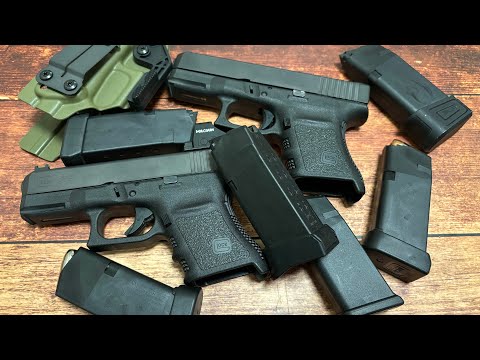
This video compares the Glock 30S and Glock 30SF, focusing on their differences in slide width, carryability, and shootability. The presenter, from SPN Firearms, highlights the Glock 30S's thinner slide as a preferred option for concealed carry due to reduced mass and weight, while acknowledging the 30SF's full-width slide. The discussion extends to ammunition choices, including lighter 135-grain G9 rounds for better speed and penetration in winter clothing, and heavier 230-grain rounds for home defense. Magazine extensions and holster options are also covered, along with the potential for converting the 30SF to a 10mm Glock 29.
The largest US civilian ammunition producer, Vista Outdoors, is in the process of being sold to the Czech-based Czechoslovak Group. This acquisition raises concerns about the control of US ammunition supply, especially given geopolitical uncertainties. The deal involves a significant financial offer to shareholders, but the shift in ownership could impact domestic ammunition availability.
Gun Laws by State
Read firearms regulations for all 50 states + D.C.
Find Gun Dealers
Search licensed FFL dealers near you.