This video features a comparison between the Franchi LF-57 and the Colt SMG, hosted by Ian McCollum and John Keene. They discuss the pros and cons of each submachine gun, considering factors like ergonomics, reliability, parts availability, and collectibility. While the Colt SMG is technically superior in many shooting aspects, the Franchi LF-57 is favored for its rarity and unique appeal as a collectible item.
This video compares a rare Italian Franchi SMG with a practical Colt 9mm SMG. The Franchi operates on an open-bolt, blowback system and uses Beretta magazines. The Colt 9mm SMG, a variant of the AR platform, is also blowback-operated but uses a closed-bolt system and converted Uzi magazines. Both firearms are chambered in 9mm.
This video provides an in-depth, expert-level guide to disassembling the Bergmann MG 15nA, a World War 1-era light machine gun. Curatorial Assistant Joe Ford meticulously walks through each step, from removing the feed tray cover and buttstock to extracting the bolt, barrel, and locking mechanisms. The guide highlights the unique design features and operational principles of this historically significant firearm, offering valuable insights for gunsmiths and firearms enthusiasts.
This guide details the unique magazine loading and feeding mechanism of the Breda Modello 30 light machine gun, as explained by Ian McCollum. It covers the function of the four distinct levers on the magazine assembly and highlights the receiver-integrated feed lips. The information is presented with high authority, drawing on detailed knowledge of internal mechanical components and historical context.
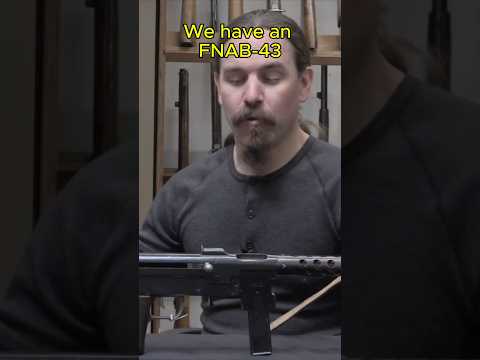
This guide provides an expert overview of the FNAB-43 submachine gun, drawing on Ian McCollum's detailed analysis. It covers the firearm's unique folding magazine well, its closed-bolt operation with distinct selector levers, and the intricacies of its delayed blowback system. The information is presented with a high degree of authority, suitable for intermediate-level enthusiasts interested in historical firearm mechanics.
This video provides an in-depth look at the Rexim Favor FV Mark V submachine gun, detailing its complex and somewhat shadowy history, unique design features, and disassembly process. The expert highlights its blowback operation, closed-bolt system with a linear hammer, and various barrel lengths. It also touches upon its use as a prop in popular science fiction films and its limited production run.
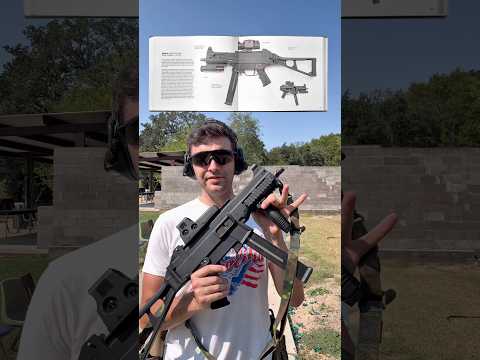
This video provides an objective review of the Heckler & Koch UMP 45, assessing its performance and historical context. The speaker, identified as a firearms enthusiast with practical experience, compares it to the MP5 and M4 carbine, noting its mechanical drawbacks like recoil and trigger pull while concluding it's a quality firearm. The review includes live-fire demonstrations and historical insights into its adoption and transition within law enforcement and military agencies.
This guide details the mechanics of the vz. 61 Skorpion machine pistol, focusing on its closed-bolt, hammer-fired operation and the unique inertial rate reducer located in the grip. Expert Ian McCollum highlights the sophisticated engineering behind this Czechoslovakian firearm.
Micah Mayfield, a high-authority firearms content creator, details the Lima Six belt-fed upper receiver for the AR-15 platform. This guide covers the specific buffer system requirements (A5 tube, Springco Orange spring, H3 buffer) and the manual of arms for loading and operating the system. It highlights the system's affordability compared to other belt-fed options and discusses potential drawbacks like heat buildup and the reciprocating charging handle, while noting its extreme reliability once tuned.
This guide details the disassembly of the Colt SMG 9mm AR, highlighting its unique blowback operation and modified AR-15 components. Expert Ian McCollum explains the internal differences from standard AR-15s, including the magazine adapter, gas deflector, and shortened dust cover, crucial for understanding its historical context and mechanical function.
This video provides an expert-level comparison of the Soviet RPD and RPK light machine guns, presented by a host with extensive firearms knowledge. Key differences in operation (open vs. closed bolt), feeding mechanisms (belt vs. magazine), barrel profiles, and overall handling are detailed. The host, demonstrating deep mechanical understanding, offers a personal preference for the RPD's dedicated LMG feel.
This video provides an expert-level overview of the Voere SAM-180, a semi-automatic variant of the American 180. The instructor, demonstrating deep technical knowledge, details its unique closed-bolt firing mechanism, rotary safety, detachable stock, and impressive 177-round magazine capacity. The explanation of the sear and striker interaction, highlighting the absence of a disconnector, showcases the firearm's clever engineering.
Gun Laws by State
Read firearms regulations for all 50 states + D.C.
Find Gun Dealers
Search licensed FFL dealers near you.