This video from Collapse N Protect puts the new PLX weapon light through rigorous, real-world durability tests. The instructor, demonstrating experienced authority, subjects the light to simulated verbal abuse, extreme cold and snow exposure in the Midwest, and direct impacts against a wooden fence. The PLX light consistently functions after each test, suggesting it may be duty-grade gear.
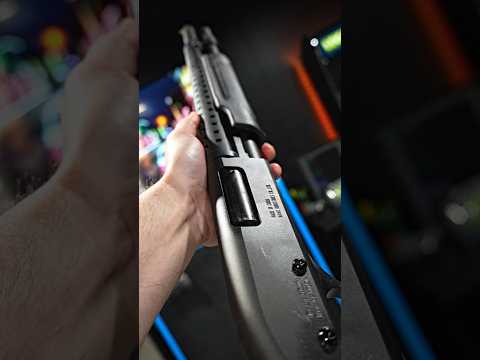
This guide details how to effectively use snap caps for dry fire practice on a pump-action shotgun, as demonstrated by Collapse N Protect. It emphasizes the cost-effectiveness and efficiency gains achievable through this method, allowing shooters to build proficiency without expending live ammunition. The instruction highlights transitioning from awkward manipulation to high-speed cycling through consistent practice.
This video details an experiment testing the durability of 9mm ammunition when submerged in PB Blaster for extended periods. The speaker, a firearms enthusiast and gear tester, demonstrates proper range safety and structured testing. Ammunition soaked for one week in PB Blaster was fired through a Glock 17 without issue, suggesting a high tolerance for this type of exposure.
This video details a torture test of the Rev Arms R4 M4 shotgun, subjecting it to extreme dirt and water exposure. The test reveals the firearm's performance under adverse conditions, highlighting the importance of field maintenance and lubrication for restoring functionality after such abuse. The R4 M4 ultimately proved reliable after a thorough cleaning and re-lubrication, demonstrating its potential for trust in demanding situations.
This guide details an experimental test to determine if rifle rounds will explode when subjected to impacts from both shotgun birdshot and rifle fire. The experiment, conducted by the Collapse N Protect host, demonstrates that while ammunition can be damaged and gunpowder can ignite, the rounds themselves do not explode. It highlights the importance of safe firearm handling and PPE during such tests.
This guide details the proper grip for revolvers, emphasizing the dangers of a thumb-over-thumb grip due to escaping high-pressure gases from the cylinder gap. The instructor, demonstrating high authority, uses a visual aid to show potential injury. Proper technique involves a firm grip with support hand thumbs extended parallel to the barrel, away from the cylinder gap, to prevent severe burns.
This video demonstrates the Hoffman Super Safety, an aftermarket trigger system for the AR-15 platform. The host, identified as a firearms enthusiast and tactical content creator, showcases its ability to facilitate rapid fire through an automatic trigger reset mechanism. The guide covers the installation and functional demonstration of the Super Safety on an outdoor range.
This video demonstrates a test of Dragon's Breath shotgun shells using a Benelli M4. The host, identified as a firearms enthusiast and content creator, shows that while the shells can cause minor fires and damage, the dramatic cinematic effects seen in movies like John Wick typically require the addition of an accelerant like gasoline. The test was conducted safely at an outdoor shooting range with proper firearm handling observed.
This guide details the rapid deployment of a Rhino Rescue IFAK, emphasizing its life-saving components over basic first-aid items. The video highlights the quick-open pouch design for immediate access to critical tools like tourniquets, Israeli bandages, chest seals, and NPAs, crucial for addressing severe trauma such as arterial bleeds and sucking chest wounds. The instructor stresses the importance of having a dedicated IFAK for emergencies, contrasting it with less effective 'boo boo' kits.
This review of the Emperor SR5 semi-automatic 12 gauge shotgun covers its performance with over 250 shells, including slugs, birdshot, and buckshot. The reviewer highlights its lightweight design, gas-driven operation, and accuracy at up to 100 yards using iron sights. Despite a stiff bolt release initially, the shotgun proved reliable after an initial failure to extract, making it a viable budget option.
This guide details an experiment from Collapse N Protect demonstrating a DIY method for reducing revolver noise using a towel. While the experiment shows a 25 dB reduction, it highlights that this method does not achieve hearing-safe levels. The content is presented by a firearms enthusiast with expertise in sound measurement and firearm handling.
This video from Collapse N Protect, featuring an instructor with high authority, experimentally tests whether 12-gauge shotgun shells mounted on a plate carrier will explode when shot. The tests, using birdshot, buckshot, and Dragon's Breath rounds, demonstrate that while shells can be breached and their contents spilled, they do not detonate or explode without primer ignition and the compression force typically provided by a firearm's barrel. The explanation highlights the essential components and conditions required for a shell to fire.
Gun Laws by State
Read firearms regulations for all 50 states + D.C.
Find Gun Dealers
Search licensed FFL dealers near you.