This video, featuring professional competitive shooter Lena Miculek, explores the differences in cyclic rates of fire across three distinct machine guns: the Sten Mk II (slowest), the HK MP5 (medium), and the Glock 18 (fastest). Miculek provides an expert perspective on the practical implications of these rates, highlighting the manageability and effectiveness of the MP5 compared to the historical Sten, and the sheer excitement of the Glock 18's rapid fire.
This video delves into the history and technical specifications of the HK SMG1 and SMG2, two lesser-known submachine gun prototypes developed for the US Navy in the 1980s. It features live-fire demonstrations, cyclic rate testing, and detailed comparisons with iconic HK firearms like the MP5 and MP5K, offering insights into their design evolution and potential. The content highlights advanced features for the era, such as suppressor integration and ambidextrous controls, positioning these as transitional designs leading to the UMP.
This comprehensive review of the Chinese Type 56 AK, presented by firearms expert hickok45, delves into its unique features, including a thicker stamped receiver, folding spike bayonet, and distinct gas port placement. The video highlights its performance in both semi-automatic and full-automatic modes, discusses magazine compatibility, and touches upon the legalities of NFA-regulated firearms in the US. hickok45 provides an expert comparison to other platforms like the AR-15, emphasizing the 7.62x39mm round's effectiveness.
This video provides an in-depth look at B&T's RBS (Reduced Back Pressure System) suppressors, featuring a torture test with over 1000 rounds fired through an FN Mark 46 and an M16. The hosts, Austin Rex from The Firearms Blog and Crispy, highlight the suppressors' ability to significantly reduce gas blowback for the shooter, especially beneficial for left-handed individuals. They discuss the materials, construction, mounting options, and impressive durability demonstrated during the extensive testing, noting zero malfunctions and minimal impact on cyclic rate.
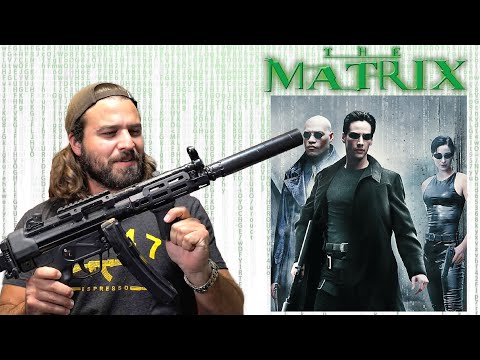
This guide breaks down the firearm analysis presented by Brandon Herrera in his reaction to 'The Matrix' guns. It covers specific weapon identifications, critiques movie realism versus actual firearm mechanics, and highlights key scenes like the digital armory and the helicopter minigun sequence. The analysis emphasizes the technical details of firearms and their portrayal in film, drawing on expert knowledge of weapon systems and ammunition.
This expert-level analysis of the Heckler & Koch MP7A2, presented by Garand Thumb, details its technical specifications and performance in ballistic gel tests. The video highlights the MP7A2's advantages over the MP7A1, focusing on its tri-rail system, adjustable stock, and rapid fire selector. It also compares its 4.6x30mm round performance against the 5.56x45mm from an HK416 A5, offering insights into terminal ballistics and PDW effectiveness.
This live Q&A session from Small Arms Solutions covers a wide range of firearms-related topics. The instructor, with apparent deep knowledge, addresses questions on BCG finishes, muzzle device installation, cartridge case materials, rifle compatibility with specific ammunition, firearm maintenance, and preferred firearms for various roles. He also discusses the quality of various manufacturers like PSA, Centurion Arms, and Armalite, offering detailed insights based on extensive testing and experience. The session highlights the importance of proper firearm design, material selection, and maintenance for reliability and performance.
This guide details the technique for firing the M60 machine gun in full-auto, emphasizing a stable prone position, controlled bursts, and recoil management. The video showcases expert handling of this belt-fed NFA firearm, highlighting its reliability and cyclic rate of fire during sustained use on an outdoor range. Instruction is derived from demonstrated proficiency and safe weapon handling practices.
This guide, presented by Dave Timm from Guns & Tactics, details how to select the correct AR-15 buffer weight. It covers buffer basics, different weight options (Standard, H1, H2, H3), and how they affect cyclic rate. The guide emphasizes function checks and using ejection patterns for diagnostics, especially for SBRs and suppressed firearms. Expert advice is provided for specific calibers and consulting professionals for optimal builds.
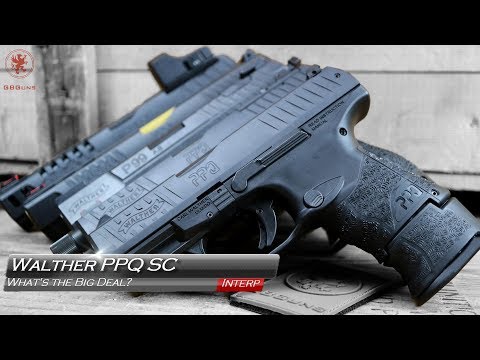
This video provides a detailed comparison of the Walther PPQ SC against other Walther models and a Canik TP9DA, highlighting key internal and external differences. The presenter, a firearms enthusiast, explains how the PPQ SC's design, particularly its reduced reciprocating mass and internal extractor, contributes to a faster cyclic rate and a more pleasant shooting experience compared to its predecessors and similar-sized firearms. The analysis also touches upon potential future caliber variations based on slide markings.
This video provides an expert-level comparison of three iconic submachine guns: the Thompson M1A1, M3 Grease Gun, and KRISS Vector, through a structured 20-meter, 8-second drill. Instruction is provided by Larry Vickers, a former Delta Force operator, highlighting the distinct handling characteristics, cyclic rates, and controllability of each platform. The drill effectively demonstrates the practical application and performance differences between these historical and modern firearms.
You've reached the end! 11 videos loaded.
Gun Laws by State
Read firearms regulations for all 50 states + D.C.
Find Gun Dealers
Search licensed FFL dealers near you.