This review of the Sig Oscar 6 HDX spotting scope highlights its excellent stabilization, rated 10/10, making it ideal for windy conditions and handheld use. However, the reviewer, an experienced outdoorsman, notes significant issues with optical clarity, particularly blurriness and chromatic aberration at the edges, which are not adequately addressed in pre-release materials. While the stabilization is a major advantage for content creators and hunters in specific scenarios like antelope or truck hunting, the poor edge clarity makes it less suitable for general use compared to non-stabilized optics.
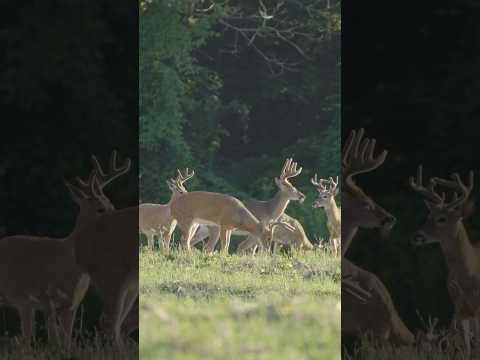
This video details an effective long-range deer scouting strategy emphasizing low-impact observation without pressuring the herd. It highlights the use of a high-quality spotting scope, ideally on a tripod, to identify mature bucks, their bedding areas, and travel corridors. The description recommends scouting during dawn and dusk from elevated vantage points overlooking key features like ag fields and funnels, and stresses the importance of identifying deer entry/exit points from feeding areas. It also touches on antler evaluation, buck identification, and the potential for digiscoping for later analysis to maximize hunting success.
This video, titled 'Como você grava o que vê no seu telescópio?' (How do you record what you see through your telescope?), focuses on capturing visual observations made through a telescope. The content likely delves into the technical aspects and equipment needed to achieve astrophotography or digiscoping, explaining the methods and tools involved in documenting celestial sights. It caters to individuals interested in amateur astronomy and visual recording of the night sky.
This video showcases the application of digiscoping with the Revic spotting scope. It highlights how digiscoping is increasingly popular for documenting hunts, verifying shooting impacts, and other range-related activities. Ian Miner from the Gunwerks Training Team provides valuable tips for utilizing this technique effectively. The content is aimed at firearm enthusiasts looking to enhance their long-range shooting and documentation capabilities.
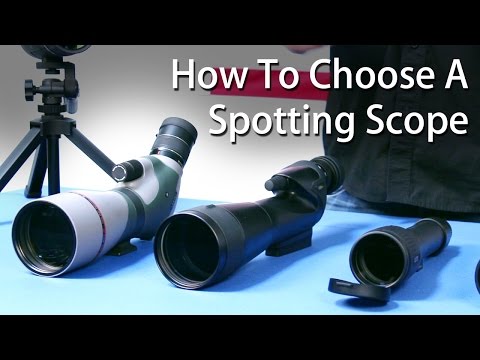
This guide, presented by Trevor B, a Product Specialist from OpticsPlanet.com, details how to choose the right spotting scope based on application. Key factors include magnification, objective lens size, body style (straight vs. angled), and the importance of a stable tripod. Specific recommendations are provided for hunting, target shooting, birding, and general use, emphasizing trade-offs between portability, clarity, and field of view.
You've reached the end! 5 videos loaded.
Gun Laws by State
Read firearms regulations for all 50 states + D.C.
Find Gun Dealers
Search licensed FFL dealers near you.