This video from Guns Lab reviews ten military-grade backpacks suitable for everyday carry in 2026. The expert-level analysis highlights key features like material denier, capacity, and specialized designs from brands such as GORUCK, 5.11 Tactical, and Mystery Ranch. The content emphasizes durability, organization, and suitability for various environments, from urban commutes to outdoor adventures.
This video details night operations during the large-scale NATO exercise 'Hedgehog'. It showcases the setup and use of advanced tactical gear, including dual-spectrum night vision and thermal optics mounted on an HK 416. The content covers reconnaissance, infiltration across a river, and ambush tactics against enemy positions, emphasizing the importance of specialized equipment for success in low-light combat scenarios.
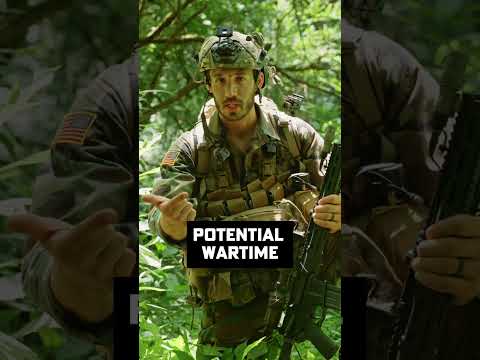
This video discusses a perceived imbalance in the tactical community, where individuals possess advanced raid equipment but lack the ability to sustain themselves for extended periods, either in the field or at home. The content creator notes an inspiring shift towards prioritizing sustainment capabilities. While specific firearms or calibers are not mentioned, the context strongly implies a focus on preparedness and survival tactics within a firearm-owning demographic.
This guide, presented by Adam from Spiritus Systems, details the strategic selection between tactical back panels and traditional backpacks based on mission requirements. It emphasizes that back panels are optimized for direct action and short-duration assaults, prioritizing maneuverability and teammate access to gear, while backpacks are better suited for long-duration patrols or situations requiring individual equipment access. The guide also covers specific features of Spiritus Systems' MOLLE and Assault Back Panels, including their attachment methods, configurability, and specialized functions like the integrated beaver tail for tools.
This guide, drawing on the expertise of Brass Facts, emphasizes that selecting the right assault pack is crucial for preparedness, often more so than the firearm itself. It breaks down pack selection into categories based on volume (10L to 50L+) and duration (under 12 hours to 72+ hours), stressing the importance of balancing firepower with mobility. Environmental factors, physical capability, and team size are highlighted as key decision-making criteria.
This video discusses the evolution of mission structures and task organization between US Army Rangers and Navy SEALs. It highlights how both units adapted their operational footprints, team sizes, and specialized capabilities in response to lessons learned in combat theaters like Iraq and Afghanistan. The discussion covers the shift from larger, traditional units to smaller, more specialized elements, and the cross-pollination of tactics and gear between different Special Operations Forces.
This video highlights the crucial, often overlooked, role of Special Operations Forces (SOF) support personnel. It emphasizes that while operators execute high-risk missions, the logistics, intelligence, communications, and medical support provided by these individuals are integral to mission success. The description stresses that these support personnel are highly trained and integrated into operational units, acting as vital components of the warfighter machine.
This entry details the U.S. Coast Guard's elite Maritime Security Response Teams (MSRT), drawing insights from Nikko Ortiz. It covers their specialized roles within the Department of Homeland Security, global operational scope, diverse tactical capabilities, and advanced equipment like the MSRT Tactical Rifle. The information highlights the high level of training and the unit's critical function in maritime security and counter-terrorism operations.
This video features Nikko Ortiz and Theo from Combat Arms Channel, both military veterans, discussing the differences between Navy SEALs and Green Berets. They offer an expert-level comparison of the selection processes, training pipelines, and mission sets of these elite special operations forces. The discussion highlights the unique challenges and focuses of each, providing valuable insights for those interested in military special operations.
Alan Cooper, a former Marine Reconnaissance, Green Beret, and CIA contractor, recounts his experiences in Operation Desert Storm. He details his early life, motivations for joining the Marines, and his progression through specialized training, including scout swimming and amphibious landings. Cooper vividly describes the chaos and challenges of the Battle of Khafji, where his small team was trapped behind enemy lines for 48 hours, and a critical mission to find a route through Iraqi minefields that helped end the war. The narrative highlights the realities of combat, the importance of reconnaissance, and the personal toll of warfare.
This episode features former MARSOC Marine Raider Nick Kefalides discussing his extensive combat experience, from infantry deployments in Iraq to his transition into special operations. He details the intense training, operational differences between conventional and special forces, and the psychological toll of combat. The discussion highlights the unique culture and effectiveness of the Marine Corps and the demanding path to becoming a Marine Raider.
Gun Laws by State
Read firearms regulations for all 50 states + D.C.
Find Gun Dealers
Search licensed FFL dealers near you.