This video chronicles a dog's relentless destruction of its toys, showcasing a series of hilariously destroyed plush items. The owner documents the ongoing saga of their dog's destructive chewing habits with a mix of exasperation and amusement.
This YouTube video, titled "How Is A Good Killer Attack Dog?", focuses on the characteristics and training involved in developing a dog for aggressive or defensive purposes, often referred to as an 'attack dog' or 'guard dog'. The content likely delves into breed selection, temperament evaluation, obedience training, and specific techniques to instill protective behaviors. It might also touch upon the legal and ethical considerations of owning such a dog.
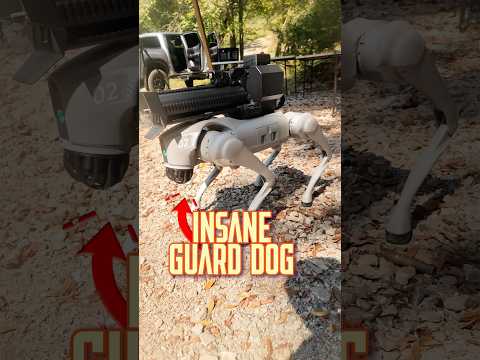
This YouTube video, titled 'Best Guard Dog Ever!', focuses on the use of dogs for security and protection. While the title suggests a potential for guard dog training or demonstrations, the content is not explicitly firearms-related based on the provided information. Without a video transcript or further description details, it's impossible to determine if firearms are discussed, demonstrated, or even mentioned in passing. Therefore, the analysis defaults to general themes of guard animals and protection.
This video appears to be a humorous clip of a French Bulldog exhibiting playful or exaggerated behavior, likely related to pretending to sleep. The title and description focus on the dog's funny antics and a lighthearted observation about its behavior.
This episode of the Guns Magazine podcast explores the strong connection between gun owners and dogs, highlighting how canine companions enhance life, provide security, and teach valuable life lessons. Hosts Brent Weed and Roy Huntington share personal anecdotes about their Australian Shepherds, emphasizing their intelligence, loyalty, and the joy they bring. The discussion touches on the proactive security dogs offer compared to passive systems and how they can even encourage a slower, more mindful lifestyle.
This video highlights a common conflict scenario in public spaces involving a service dog handler and an uncontrolled pet. It emphasizes the importance of respecting service animal designations and the significant investment in professional training, which can range from $5,000 to $6,000. The content serves as a reminder of public access etiquette and the value of well-trained service animals.
This video by Scott Linden on MidwayUSA explains how to effectively reward hunting dogs during training. The core principle is understanding that dogs are motivated by their own happiness and will perform for desired outcomes. Linden emphasizes that rewards, or 'paychecks,' must be delivered quickly after the desired behavior to ensure the dog makes the connection.
This guide details how to teach the 'place' command to dogs, particularly for hunting applications, as demonstrated by a Mossberg expert. It covers starting with puppies, using various locations, and progressing to distance training for effective control in hunting scenarios. The instruction emphasizes consistency and positive reinforcement for reliable command execution.
This video provides a step-by-step guide on teaching a hunting dog to retrieve, focusing on positive reinforcement and overcoming distractions. It emphasizes starting with basic commands like 'fetch' and 'come' before progressing to 'hold' and introducing various training aids like bumpers and bird wings. The instruction highlights techniques to prevent dropping retrieved items and encourages a reward-based system for a well-trained bird dog.
This guide, presented by Lawson Barker of Red River Retrievers, offers expert advice on selecting the right dog trainer. It emphasizes aligning expectations with the trainer's specialization, thoroughly evaluating the training facility, observing dog behavior during sessions, and assessing the trainer's patience and methodology. The insights are valuable for any dog owner seeking professional training services.
This video by Scott Linden addresses a common and detrimental training habit in hunting dogs where commands become chained together, resembling disobedience. Linden, an experienced outdoorsman, author, and host of "Wingshooting USA," explains how this learned behavior can hinder effective teamwork between dog and handler. He offers methods to break this habit, aiming to improve communication and function, making the handler a more effective coach for their hunting partner. The video highlights the importance of clear, individual command execution for successful hunting dog training.
This video by Scott Linden explains when NOT to use an E-collar on a hunting dog. It emphasizes that E-collars should not be used when the dog is near, working, or carrying a bird to maintain a positive association with birds. The instructor advises against using the E-collar if the dog doesn't understand a command, suggesting a return to basic training in the yard. Frequent E-collar stimulation indicates insufficient training, requiring a revisit of commands with tools like a check cord or training table.
Gun Laws by State
Read firearms regulations for all 50 states + D.C.
Find Gun Dealers
Search licensed FFL dealers near you.