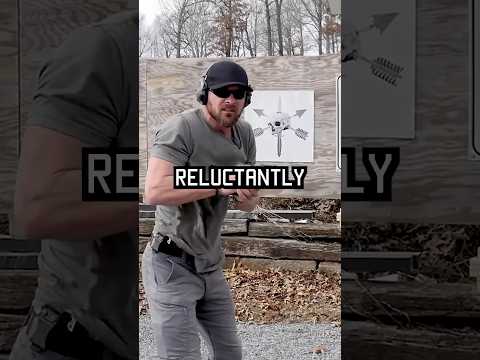
This video demonstrates a technique for drawing a concealed firearm from under a baggy t-shirt, specifically when carried at the 3:00 position. The method emphasizes pulling the shirt material away with the strong hand while exaggerating the thumb pull to create sufficient clearance for a smooth and efficient draw. The instruction covers the entire process from concealment to drawing, engaging, and reholstering.
This video from Achilles Heel Tactical focuses on 'overdeveloping your index' through a precision shooting drill. The instructor emphasizes drawing the firearm and stopping it on a small, 1-inch black paster with a target reaction time of 0.8 seconds. The goal is to build extreme precision in the draw stroke and sight alignment, enabling faster and more accurate shots when a larger target like an A-zone is presented. The drill pushes shooters to their limits to enhance hand speed and efficiency, even if it means not achieving a perfect 'stop dot' at faster speeds.
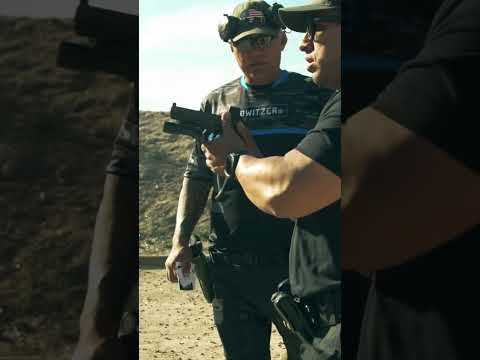
This video from Classic Firearms features Daniel Richardson of Richardson Precision and Training demonstrating and instructing on concealed carry techniques, specifically focusing on efficient garment clearance and draw strokes from appendix carry. The training emphasizes improving draw-to-first-shot speed through methodical practice of clearance techniques, dry-fire drills, and live-fire exercises, highlighting how efficiency in defeating concealment directly translates to faster times. Several clearance methods are presented, including the C-Grip, Sneaky Pee, and Judo Chop, allowing viewers to find what works best for their attire and carry style.
This video details a pistol combat reload drill designed to test manipulation skills under pressure. The drill emphasizes the importance of proper grip and slide manipulation after a reload, as the first shot is often the most inaccurate. The instructor highlights that a combat reload involves a slide-locked-to-the-rear scenario, requiring specific actions to get the slide forward before re-engaging the target.
This video demonstrates a pistol presentation drill focused on drawing and firing a single accurate shot from the holster under time pressure. The instructor emphasizes the critical importance of establishing a master grip on the firearm immediately upon drawing, as the first shot is often the most difficult to make accurately due to haste. The drill is designed to test the shooter's ability to perform this fundamental skill under stress.
This video emphasizes the critical importance of consistent holster placement and firearm grip in combat shooting scenarios. It details a technique for establishing a proper grip by starting slightly low and sliding the hand forward, which allows for correction if the initial placement is too far forward or backward. This method ensures a perfect grip at the 'moment of truth' when it's needed most.
This guide details how to effectively draw and shoot from the Privy tablet case, a method of off-body carry. It emphasizes practicing the draw stroke, adapting to close-quarters versus open scenarios, and ensuring the firearm can be accessed quickly and discreetly. The instructor, a former CIA officer, highlights the importance of training with off-body carry methods.
This video details the proper technique for drawing a firearm from a holster and presenting it towards a threat. Key steps include correct holster positioning, acquiring a full grip, clearing the firearm, and immediately pointing it towards the target with the slide parallel to the ground. The instruction emphasizes bringing the support hand into play to stabilize the firearm and aligning sights or red dots efficiently for a quicker and more accurate shot.
This video emphasizes critical mistakes to avoid when carrying a handgun, focusing on safe practices during drawing and reholstering. It highlights that negligent discharges often occur during routine handling, not just in high-stress encounters. Key takeaways include maintaining proper trigger finger discipline during the draw, reholstering slowly and deliberately while visually confirming the holster is clear, using a rigid holster, ensuring proper retention to prevent printing, carrying with a chambered round for immediate readiness, function testing ammunition, and understanding legal no-carry zones and use-of-force laws.
This video challenges the common firearms industry belief that speed and accuracy are mutually exclusive. It argues that efficiency, not just smoothness, should be the primary goal in shooting. The instructor emphasizes that a fast, accurate shot, even if not perfectly smooth, is superior to a slow, precise shot that takes too long.
This video details a pistol training day focusing on practical drills with a Glock 17 Gen 5 equipped with an X300 weapon light and Trijicon night sights. The instructor emphasizes the importance of consistent training for personal and family safety, normalizing practice with carry or duty firearms. Drills include 'one reload twos' and simulated adverse conditions like sand ingress, highlighting the need for proficiency and gear reliability under stress. The session also touches on managing shooter fatigue and maintaining a good grip during dynamic shooting.
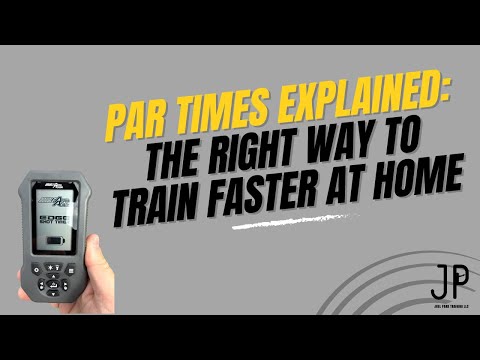
This video explains how to effectively use par times in dry fire training to build speed and efficiency. The instructor demonstrates finding an optimal par time by incrementally reducing the duration for a multi-target engagement sequence. The key is to find a time that creates a sense of urgency without sacrificing accuracy or ingraining bad habits, emphasizing honesty in self-assessment.
Gun Laws by State
Read firearms regulations for all 50 states + D.C.
Find Gun Dealers
Search licensed FFL dealers near you.