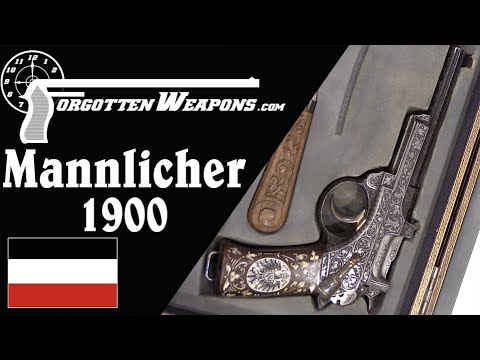
This guide details the disassembly of the Mannlicher 1900 pistol, a transitional semi-automatic firearm. It highlights the unique single-screw disassembly process and the delayed blowback action. The information is presented with the authority of Ian McCollum, a recognized expert in historical firearms, emphasizing the craftsmanship and historical context of this rare pistol.
This video provides a detailed book review of "The Dreyse Military Needle-Ignition System" by Leonard and Guy A-R-West. The book focuses on the history, various models, and accessories of the Dreyse system, addressing the scarcity of English-language material on the subject. It also delves into cartridge construction and shooting impressions from the authors' experience as shooters. The review highlights the book's excellent illustrations, including photographs, paintings, and cutaway images, making it a valuable reference for shooters, collectors, and historians interested in antique military rifles.
This YouTube video, part of the "WWI Primer" series, provides a detailed explanation of how the German Dreyse 1907 pistol functions. It highlights key operational aspects such as its single-action mechanism, striker-fired ignition, and slide operation. The video aims to educate viewers on the mechanics of this historical firearm, offering insights into its design and functionality from a WWI era perspective. Supporters are encouraged to contribute via Patreon or SubscribeStar.
This guide details the field stripping process for the Model 1883 Reichsrevolver, as demonstrated by Ian McCollum. It covers the unique cylinder removal mechanism involving a spring and plunger system. The video also highlights the differences between military and commercial Dreyse models, emphasizing safe handling and historical context.
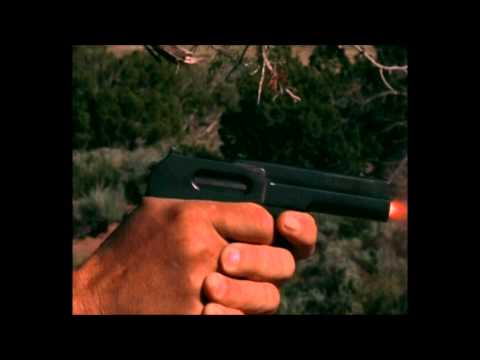
This video offers a slow-motion examination of the 1907 Dreyse Pistol, a historical automatic firearm designed by Louis Schmeisser. The description highlights its service with the German military in World War I and subsequent use by police until the early 1930s, with nearly a quarter million units produced. It details the pistol's simple blowback action, chambering in .32 ACP (7.65mm Browning), and notes its ergonomic shortcomings, including an awkward grip angle, short trigger reach, and top-heavy balance.
You've reached the end! 5 videos loaded.
Gun Laws by State
Read firearms regulations for all 50 states + D.C.
Find Gun Dealers
Search licensed FFL dealers near you.