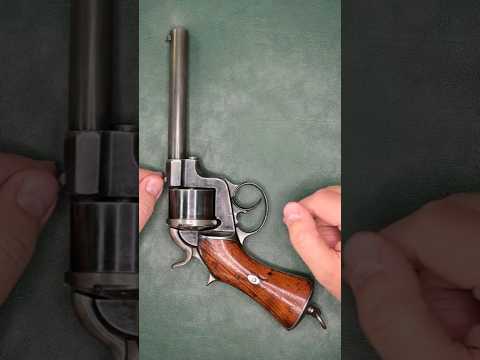
This video explains the 'bump' or 'lug' found on older revolvers, identifying it as a frame or cylinder lug. Its primary function is to prevent the cylinder from falling off the ejector rod when opened. The video details how these lugs can be integrated into the frame, pinned, or part of the side plate, and contrasts this with modern revolvers that utilize internal mechanisms with ball bearings for cylinder retention, making the external lug obsolete. The presenter notes that while older methods required hand-fitting, newer designs are easier to manufacture.
This guide details the loading and unloading procedures for a modernized single-action revolver, specifically the Ruger Vicero, which is based on the Colt 1873 design. It highlights the modern coil springs and transfer safety bar that allow for safe carrying of six rounds, contrasting with the original Colt's manual of arms. The process involves opening the loading gate to insert rounds and using the ejector rod for unloading.
This guide demonstrates the proper handling and dry-fire techniques for a snub nose revolver, as shown by an experienced presenter from Arm&Gun. It covers cylinder manipulation, single-action and double-action trigger pulls, and essential safety checks. The video emphasizes smooth, deliberate movements and clear visualization of components.
This video explains the function of a revolver's gas ring, a component often overlooked but vital for firearm longevity and shooter safety. The gas ring sits at the front of the cylinder, protecting the ejector rod from flame cutting and, more importantly, shielding the shooter's hand from dangerous muzzle blast. Understanding this part's role is crucial for safe revolver operation.
This guide details the operation and loading procedure for the Moore Revolver, a historical single-action handgun. It covers the unique swing-out cylinder mechanism, the hidden ejector rod, and the half-cock safety feature. The presenter, demonstrating high authority, emphasizes proper handling and the advanced design for its era.
This video details the Pidault-Cordier "Raphael" revolver from 1860, highlighting its advanced features for its time, including a center-fire system with a unique brass casing that could cause cylinder rotation issues. It explains the specific loading and unloading procedure involving a safety position and a gate mechanism, and touches upon its historical procurement by the US Army during the Civil War.
Brett from Nightwood Guns provides a comprehensive checklist for inspecting revolvers before purchase, addressing both new firearms with quality control issues and used models. Key checks include barrel alignment, side plate screw condition, timing (single and double action), cylinder lockup, end shake, trigger function, and potential structural issues like cracks or bulges. The guide emphasizes looking for signs of internal tampering and cosmetic flaws that can indicate abuse or poor manufacturing.
The Adams Mark III revolver, weighing 2.33 lb with an 11-inch overall length, is a refined version of its predecessor. Key improvements include a more tactile and faster counter-rotating cylinder for loading and a pair-like ejector rod setup that nests within the arbor at rest. The action remains undemanding with light hammer and trigger pulls.
This guide details the single-action operation of the Uberti Cattleman revolver, as demonstrated by Misha's Guns. It covers the proper technique for loading .45 Colt rounds via the loading gate and the process of firing six shots in a rapid sequence by manually cocking the hammer for each trigger pull. The guide also includes the correct method for ejecting spent casings using the ejector rod.
This guide details the safe unloading procedures for both single-action and double-action revolvers, as demonstrated by Spartan Defense. It emphasizes identifying the revolver type as the crucial first step. The instructions cover specific actions like using the loading gate and half-cock on single-actions, and the cylinder release on double-actions, along with proper use of ejector rods. The importance of maintaining muzzle discipline and visually confirming the firearm is unloaded is stressed throughout.
This video establishes a unified lexicon for revolver terminology, addressing the historical inconsistency in naming parts. The instructor, an apparent expert in firearms history and mechanics, meticulously defines components from basic actions (single/double) and frame types to intricate lockwork mechanisms like the 'dog', 'sprag', and 'transfer arm'. It also covers cylinder indexing, safety features, and loading/unloading systems, aiming to make revolver comparisons and discussions more consistent and understandable for enthusiasts.
This guide details the installation of the Samson enhanced ejector rod for Ruger Wranglers and Single Six revolvers. It covers the removal of the factory component, preparation of the new part, and the reassembly process, highlighting the difference in lever size for improved ergonomics. The process requires basic tools and careful handling of internal springs.
Gun Laws by State
Read firearms regulations for all 50 states + D.C.
Find Gun Dealers
Search licensed FFL dealers near you.