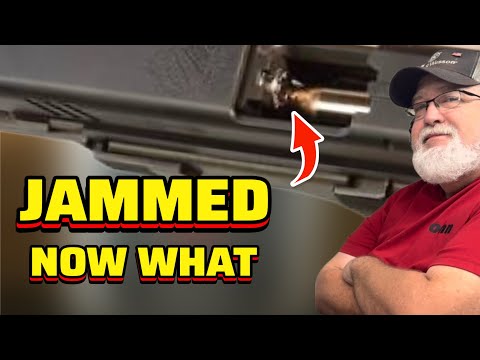
This video demonstrates a common malfunction scenario on an AR-platform rifle: a failure to fire. The shooter highlights two critical issues: improper magazine seating and an overlooked chamber flag obstructing the action. The self-deprecating instructor emphasizes the importance of immediate malfunction recognition and proper safety procedures, even for experienced individuals.
This guide, presented by a firearms instructor with retail and tactical training experience, emphasizes the critical importance of platform consistency for handgun safeties. Switching between firearms with and without manual safeties can lead to dangerous muscle memory failure under stress. The core recommendation is to choose one safety system (manual or no manual safety) and train exclusively with it to ensure reliable operation in defensive scenarios. This approach is vital for preventing critical errors during high-stress encounters.
The Altor Corp 9mm single-shot pistol is reviewed, highlighting its unique pull-to-fire mechanism and unconventional loading process. Testing revealed significant reliability issues, with the firearm failing to discharge multiple times due to apparent light strikes. Despite its budget price point, the review suggests the Altor pistol's design flaws make it a questionable firearm.
This video, titled "Why wouldn't it fire?🤔💥", appears to investigate a firearm malfunction. The description hints at a broad range of potential topics, including elements from pop culture like 'Schindler's List' and 'COD', alongside terms related to firearms ('boomstick', 'firearmsafety', 'gunsafety'), airsoft, and historical contexts. The presence of hashtags related to safety and historical elements suggests a focus on the practical aspects of firearm function, possibly in a historical or training scenario, or even a fictional representation.
This YouTube Shorts video is titled "MALFUNCTION!!!!". Given the title's emphasis on a problem occurring and the hashtag #shorts, it is highly probable that the video showcases a firearm malfunction during operation. Without a description or transcript, the exact nature of the firearm, caliber, or the specific malfunction cannot be determined. However, the title strongly suggests a practical demonstration or a brief, attention-grabbing clip of a gun failing to function correctly.
This video provides a comprehensive review of the SCSA "Taipan Light" pump-action rifle chambered in .223 Wylde. The reviewer highlights its Australian manufacturing and significantly lower price point compared to AR-style competitors like Warwick, Oceania Precision, and Wedgetail Industries. Despite initial positive impressions and smooth cycling, the review details significant reliability issues encountered due to metal shavings in the bolt, leading to numerous failures to fire and sticking. The reviewer notes that the Victor Precision 2-stage trigger is a pleasure to use, breaking at just over 2lbs. While acknowledging the rifle's potential for fast follow-up shots, especially for hunting feral pigs, the reviewer expresses hope that future iterations will resolve the encountered mechanical problems. Best accuracy achieved was 0.8" for 3 shots at 100 yards with 62gr Federal Premium.
This video discusses a key advantage of revolvers: their reliability in the event of a misfire. Unlike semi-automatic pistols where a failure to fire might require manual manipulation to clear a jam, a revolver can often be remedied simply by squeezing the trigger a second time. This highlights a functional benefit for users considering different handgun platforms for self-defense or general use.
This video, featuring Instructor Mike, provides an expert-level demonstration of clearing a Type 1 malfunction (failure to fire) on a Glock pistol. The 'Tap, Rack, Assess, Press' acronym is clearly explained and demonstrated, emphasizing maintaining situational awareness while performing the drill. The instruction is direct and practical for any firearm owner.
This video from InRange TV addresses a practical scenario for percussion revolver owners: what to do when experiencing a failure to fire in wet conditions and attempting to re-cap a chamber. It builds upon a previous video demonstrating revolvers in the rain, specifically focusing on the process and implications of dealing with a misfire by simply re-capping the affected cylinder.
This YouTube video explores a specific reason why a small-caliber firearm, particularly a .22LR pistol, might fail to fire. The issue arises when significant pressure is applied to the slide. The description highlights the USCCA's offerings and provides links to resources from Instructor Mike, a USCCA Official Partner, for concealed carry guidance and more information.
This reliability test of the Calico carbine, Round 3, pushed the firearm to approximately 300 rounds without cleaning, using a 100-round drum magazine. Initial performance was strong, but fouling from the delayed blowback system eventually led to a failure to fire and a failure to chamber. Proper magazine tensioning is highlighted as critical for Calico reliability.
This video details the Combat Efficiency Test (CET) manipulation and malfunction block, focusing on stress inoculation for handgun users. It covers tactical and speed reloads, along with clearing common malfunctions like failure to fire, stovepipes, and double feeds. Travis Haley emphasizes pushing to the point of failure during training to achieve marginal gains and advises testing methods with specific firearm setups.
Gun Laws by State
Read firearms regulations for all 50 states + D.C.
Find Gun Dealers
Search licensed FFL dealers near you.