Joel Park, a full-time shooting instructor with extensive experience teaching, breaks down the four most common issues he observes in students. These include vision focus fatigue, lack of planning discipline, improperly mixing trigger control with sympathetic movement, and emotional attachment to performance. Park emphasizes pushing past comfort zones, detailed pre-shot programming, isolating fundamental skills, and embracing mistakes as crucial for improvement.
This video provides expert advice on maximizing firearm training effectiveness on a limited ammunition budget. Instructor Joel Park emphasizes the importance of productive range sessions, suggesting a maximum of two drills per outing and dividing ammunition equally between them. He highlights that most significant skill gains come from dry-fire practice, not simply expending large round counts. The advice is geared towards shooters looking to optimize their training without breaking the bank.
This video emphasizes that recoil distance and power are fixed, while speed is variable. It teaches shooters to relax their shoulders and allow their arms to move naturally with the gun's recoil, rather than tensing up. Intense focus on a small target, even as fatigue sets in, is crucial for maintaining accuracy during rapid fire.
This video explains why shorter, focused dry fire sessions are often more effective than longer ones. Instructor Joel Park advocates for 15-20 minute sessions, emphasizing the importance of 'perpetual dissatisfaction' and nitpicking technique to achieve incremental improvements. He highlights that prolonged practice leads to fatigue and diminishing returns, suggesting that a high level of engagement and a 'simmering frustration' are key indicators of productive training.
Ben Stoeger advises against excessively long training sessions, particularly those exceeding six hours or involving very high round counts (1000+). He emphasizes that fatigue significantly degrades shooting performance and mental acuity. Instead of prolonged sessions, Stoeger advocates for shorter, more intense training periods (around 90 minutes) where shooters can maintain aggression and focus, leading to better skill development.
This video from Johnny Q explains the practical reasons behind police officers holding their tactical vests. Officer J. Quirarte, demonstrating high authority as a law enforcement professional, details how this common practice helps manage physical fatigue during long periods of standing on patrol or at a scene. The techniques shown involve specific hand placements and leg stances designed for comfort and endurance.
This guide details a 50-meter accuracy test for the SIG P365, as demonstrated by an experienced shooter. It covers the process of firing, target inspection, and analyzing performance, highlighting the subcompact pistol's capabilities at extended ranges and the importance of managing fatigue for consistent accuracy.
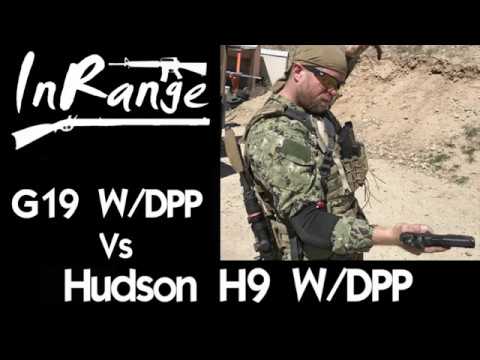
This video compares the Hudson H9 and Glock 19 Gen 5, both equipped with Delta Point Pro red dot sights, during a physically demanding competition stage. The discussion highlights the benefits of red dot sights and good triggers in mitigating performance degradation due to fatigue and elevated heart rates. It also touches on the importance of backup iron sights for red dot equipped pistols in certain scenarios and the impact of physical exertion on marksmanship.
This video details a shooting competition segment focusing on accuracy under pressure, featuring boxer Gary Russell Jr. and competitors Coleon and Lort. It highlights the importance of slowing down for accuracy, managing physical and mental fatigue during long stages, and the impact of missed shots leading to penalties. The content emphasizes that improved shooting accuracy can translate to better performance in other demanding physical activities.
You've reached the end! 9 videos loaded.
Gun Laws by State
Read firearms regulations for all 50 states + D.C.
Find Gun Dealers
Search licensed FFL dealers near you.