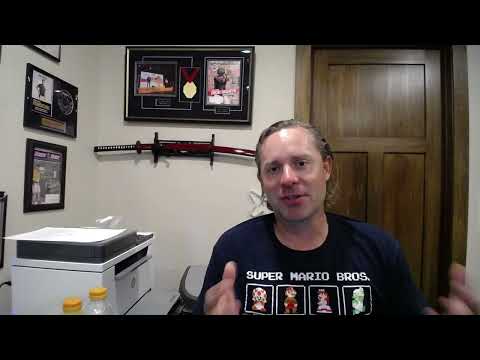
Knowing when to quit

Published on September 4, 2024
Duration: 5:21

Ben Stoeger advises against excessively long training sessions, particularly those exceeding six hours or involving very high round counts (1000+). He emphasizes that fatigue significantly degrades shooting performance and mental acuity. Instead of prolonged sessions, Stoeger advocates for shorter, more intense training periods (around 90 minutes) where shooters can maintain aggression and focus, leading to better skill development.


Quick Summary

Firearms instructor Ben Stoeger advises against training to the point of exhaustion, noting that fatigue significantly degrades shooting performance and mental acuity. He recommends shorter, more intense training sessions of around 90 minutes, emphasizing the importance of maintaining an aggressive pace and focus over prolonged, fatiguing durations.

Chapters

  1. 00:01Introduction: Training Fatigue
  2. 00:11Question on Round Count and Training Duration
  3. 00:24Pistol Progression: Staccato P to Atlas
  4. 00:56Impact of Long Training Sessions on Performance
  5. 01:54Example: Military Unit Training Break
  6. 02:43Why Fatigue Negatively Affects Training
  7. 02:51Importance of Aggressive Training Pace
  8. 03:20Skill Practice vs. Endurance Training
  9. 03:33Mental Errors Due to Fatigue and Dehydration
  10. 03:47Recommended Training Duration
  11. 04:00Boredom and Round Count Mismatch
  12. 04:19The Real Problem: Session Structure
  13. 04:30Training vs. Match Fatigue Management
  14. 05:04Conclusion: Quit When Tired

Frequently Asked Questions

What is the recommended duration for an effective firearm training session?

According to firearms instructor Ben Stoeger, excessively long training sessions, especially those exceeding six hours, can lead to fatigue that degrades performance. He suggests that shorter, more intense sessions of around 90 minutes are often more beneficial for skill development.

How does fatigue impact shooting performance during training?

Fatigue significantly degrades shooting performance by reducing mental acuity, increasing the likelihood of mental errors, and diminishing the quality of repetitions. Ben Stoeger advises stopping training when fatigue begins to affect your ability to perform at a high level.

What is the optimal intensity for firearm training?

Ben Stoeger emphasizes that firearm training should be conducted at an aggressive pace, even faster than real-life scenarios. This intensity ensures that shooters perform well under pressure and develop skills that are effective in high-stakes situations.

Why is training for 6 hours or shooting 1000 rounds potentially counterproductive?

Training for extended periods like six hours or shooting over 1000 rounds can lead to burnout and fatigue, where the quality of practice diminishes. Ben Stoeger suggests that this can be less effective than shorter, focused sessions where concentration and aggression are maintained.

More Training & Techniques Videos You Might Like

More from Ben Stoeger

View all →