This video details the arrest of a 67-year-old senior citizen on Long Island for allegedly manufacturing and possessing homemade firearms. It critically examines the Nassau County District Attorney's accusations, contrasting them with the individual's background and the specifics of New York's stringent gun laws. The narrative highlights the legal complexities surrounding unregistered firearms, 'ghost guns,' and accessories like Glock switches, while questioning the prosecutorial narrative and media reporting.
This video explains how specific firearm models and types are prohibited from civilian sale and transfer due to federal and state laws. Instructor Luke from Line45 details how laws targeting machine guns manufactured after May 19, 1986, and state-level bans on named firearms like the TEC-9, Uzi, Colt AR-15, and SPAS-12, create significant compliance hurdles for dealers and buyers. The content emphasizes that these prohibitions are often based on the firearm's name or type rather than its features, leading to firearms sitting unsold for extended periods.
This video, presented by Ted from Line45, details ten categories of firearms that can be legally acquired without a background check or FFL transfer under federal law. It covers antique firearms (pre-1899), certain black powder firearms, 80% frames and lowers (with caveats), homebuilt firearms, private in-state sales, inherited firearms, and Curio & Relic (C&R) firearms. The presenter emphasizes that state laws can be stricter and override federal allowances.
This video, presented by Sully from Line 45, details eight specific gun laws that can inadvertently trap law-abiding citizens. It highlights the complexities and potential legal pitfalls of universal background checks, red flag laws, storage requirements, magazine capacity limits, assault weapon bans, transport regulations, ghost gun laws, and gun-free zones. The presenter emphasizes that ignorance of these laws is not a valid defense and that even minor mistakes can lead to felony charges.
This video argues that current gun control proposals, particularly those advocating for bans on semi-automatic firearms and weapons designed for battlefield use, represent a move towards confiscation. The speaker criticizes the logic that stricter laws are needed because existing ones fail, suggesting this leads to a de facto nationwide ban. The commentary highlights concerns that the definition of 'weapons of mass destruction' is being misapplied to common firearms.
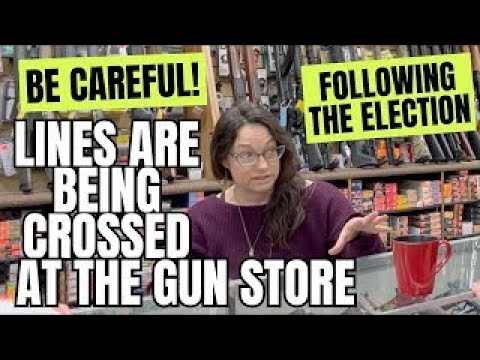
This video discusses the legal and ethical lines gun store employees and customers must navigate, particularly concerning straw purchases and firearm gifting. It emphasizes that while store policies may vary, federal regulations regarding firearm purchases and transfers remain constant. The discussion highlights the importance of understanding and adhering to these rules, especially after significant political events that may lead some to believe regulations have changed.
This video from Hegshot87 provides a critical overview of common firearm-related legal pitfalls that can lead to severe penalties for gun owners. It highlights specific scenarios such as improperly transporting firearms through TSA, carrying firearms on school grounds, violating interstate transport laws, and making errors on the ATF Form 4473. The instructor emphasizes the importance of understanding state-specific laws and federal regulations to avoid significant fines and imprisonment.
This video analyzes the Supreme Court's 8-1 decision in Range v. Garland and a new DOJ rule change impacting firearm possession for non-violent felons. The analysis highlights the potential for significant shifts in Second Amendment rights, particularly concerning the restoration of rights for prohibited individuals and the ongoing legal challenges to federal firearm laws.
The video explains that the federal government uses the Interstate Commerce Clause to prevent individuals from purchasing firearms in one state that are illegal in their home state. This is presented as a "death by a thousand cuts" strategy to gradually erode Second Amendment rights by limiting market access and disarming populations on a state-by-state basis, rather than through broad federal bans that might face legal challenges.
This video critically examines several U.S. federal and state firearm laws, highlighting aspects that the presenter deems illogical or overly complex. It delves into the nuances of firearm classification, particularly the distinction between pistols and rifles, and the legal implications of accessories like vertical grips. The discussion also touches upon regulations concerning micro-stamping, ammunition possession, and suppressors, emphasizing the potential for confusion and legal pitfalls for law-abiding citizens.
Gun store owner Maggie discusses how election cycles can lead to increased attempts at illegal firearm transactions, particularly straw purchases. She emphasizes that regardless of political shifts, existing federal and state laws regarding firearm purchases and transfers remain in effect. Customers attempting to circumvent these rules, such as by having someone else pay for or fill out paperwork for a firearm they intend to possess, will be denied sales.
This video discusses the legal and ethical lines gun store employees must enforce, particularly concerning straw purchases and improper firearm transfers. It highlights how election cycles can sometimes lead to increased attempts to circumvent regulations, emphasizing that store policies and federal laws remain consistent regardless of political shifts. The discussion stresses the importance of understanding proper gifting procedures and the reasons behind specific questions on ATF Form 4473.
Gun Laws by State
Read firearms regulations for all 50 states + D.C.
Find Gun Dealers
Search licensed FFL dealers near you.