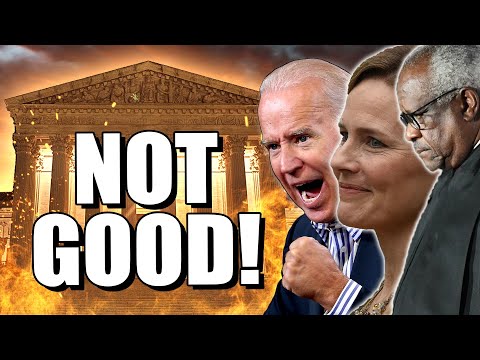
Supreme Court 8-1 Gun Possession Decision & DOJ New Rule Change Second Amendment Landscape Forever!

Published on April 15, 2025
Duration: 8:52

This video analyzes the Supreme Court's 8-1 decision in Range v. Garland and a new DOJ rule change impacting firearm possession for non-violent felons. The analysis highlights the potential for significant shifts in Second Amendment rights, particularly concerning the restoration of rights for prohibited individuals and the ongoing legal challenges to federal firearm laws.

Quick Summary

The Supreme Court's 8-1 decision in Range v. Garland and a new DOJ interim rule are reshaping firearm rights for non-violent felons. The DOJ now allows petitions for gun rights restoration for individuals not deemed dangerous, a process largely dormant since 1992. The Range case challenges federal laws prohibiting felons from possessing firearms, with the Third Circuit ruling such laws unconstitutional as applied.

Chapters

  1. 00:00Introduction: Unconstitutional Gun Law & DOJ Rule
  2. 00:26Sponsor: First Form Supplements
  3. 00:48Critical Second Amendment Case: Non-Violent Felons & Firearms
  4. 01:10Range v. Garland Case Overview
  5. 01:36DOJ Extension Request & Potential Shift
  6. 01:51New DOJ Interim Rule for Rights Restoration
  7. 02:15The Range Case: Brian Range's Conviction and Lawsuit
  8. 02:45Third Circuit Ruling: En Banc Panel Decision
  9. 03:33Supreme Court Remand and Re-Review
  10. 03:48En Banc Panel Reaffirms Ruling: Felons Protected by 2A
  11. 04:37Biden Administration Appeal & Trump Administration Takeover
  12. 04:54DOJ Extension and Reconsideration
  13. 05:15DOJ Interim Rule: Removing ATF Authority
  14. 05:32DOJ to Process Gun Rights Restoration Applications
  15. 05:59Impact of the Interim Rule on Rights Restoration
  16. 06:14Shift in DOJ Treatment of Non-Violent Felons
  17. 06:22Range Case Options for the DOJ
  18. 06:48Issue of Mootness in the Range Case
  19. 07:09Desire for Supreme Court to Strike Down Federal Law
  20. 07:14DOJ Deadline and Potential Larger Game Plan
  21. 07:37Waiting for Trump Administration's Strategy
  22. 08:06Significance of the Case for Firearm Rights
  23. 08:16Future Updates and Call to Action

Frequently Asked Questions

What was the Supreme Court's 8-1 decision regarding gun possession for non-violent felons?

The Supreme Court issued an 8-1 decision in the Range v. Garland case (GVR), which has significant implications for federal laws prohibiting non-violent felons from possessing firearms. This decision is a key development in the ongoing legal challenges to these restrictions.

What is the new DOJ rule change affecting firearm rights restoration?

The DOJ has issued an interim rule that allows individuals not deemed dangerous to public safety to petition for the restoration of their gun rights. This revives a process that has been largely ineffective since 1992, as the ATF previously lacked funding to process such applications.

How does the Range v. Garland case challenge federal firearm laws?

The Range case challenges federal laws that prohibit individuals with non-violent felony or misdemeanor convictions from owning, possessing, or acquiring firearms. The Third Circuit's en banc panel ruled that the law, as applied to Brian Range, is unconstitutional, stating that felons can remain protected by the Second Amendment.

What are the potential outcomes for the Range case before the Supreme Court?

The DOJ has until April 22nd to decide its strategy. Options include letting the Third Circuit's ruling stand, or taking a position that the federal law prohibiting firearm possession for non-violent felons is unconstitutional nationwide. The new restoration rule could also lead to the case being deemed moot.

Related News

All News →

More 2nd Amendment & Law Videos You Might Like

More from Armed Scholar

View all →