This video discusses a shift in concealed carry methods, moving away from fanny pack carry due to demonstrated draw time limitations. The speaker, influenced by Charlie Cox's analysis, now favors a four o'clock carry position with accessible holsters for firearms like the Glock 19, 17, and 19X. The content emphasizes the importance of practical draw speed and accessibility in self-defense scenarios.
This video evaluates the Alien Gear AGH Chest Holster, focusing on draw times and security during physical activity. The presenter tests draw speed from a cold start, noting an average of 1.20 seconds, which is slightly longer than their standard concealment draw but improvable with practice. The holster's ability to remain secure during a sprint is also demonstrated, confirming its suitability for jogging and yard work.
This video tests the real-world draw speed and practicality of carrying a firearm in four different bag types: a fanny pack, a purse, a backpack, and a duffel bag. The instructor emphasizes the importance of using a holster and highlights how bag design and internal organization significantly impact draw time and safety. The purse proved to be the most effective carry method among the tested bags, allowing for a holstered draw.
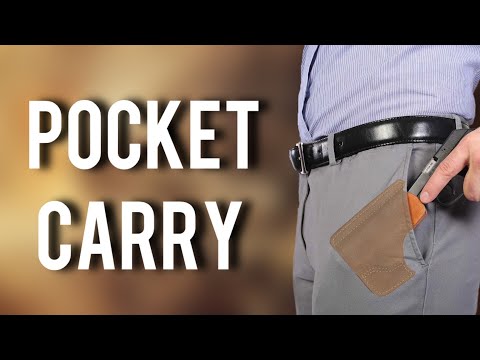
This video explores the pros and cons of pocket carrying a firearm, specifically a Sig Sauer P365 in a Kore Essentials pocket holster. The instructor highlights convenience, concealment, comfort, and draw speed as advantages, while noting concerns about debris, exposure, potential failure to detach, size limitations of micro-compacts, accessibility issues when not in a ready position, and safety considerations requiring a quality Kydex holster. It concludes that while pocket carry offers unique benefits for specific situations, it may not be ideal for all everyday carry needs due to draw accessibility challenges.
This video critically examines the practice of appendix carry, arguing it's generally an unsafe method due to the inherent risk of self-inflicted injury to vital areas like the femoral artery and genitals. The speaker, TheYankeeMarshal, emphasizes that while risks can be mitigated with specific firearm choices (revolvers, manual safeties) or practices (no round in chamber), these are concessions to an unnecessary risk. He contends that the perceived benefits of faster draw times are often unsubstantiated and do not outweigh the increased danger, particularly with striker-fired handguns.
This video provides practical advice for concealed carriers on how certain clothing items, particularly flannels and hoodies, can impede weapon access. It offers specific techniques like adjusting buttons, folding layers, and practicing draws at home to ensure a smooth and unhindered draw from a holster.
This expert analysis from Active Self Protection, led by John Correia, breaks down a Chicago self-defense incident where a man was shot after punching an assailant. Correia, a recognized expert in use-of-force analysis, critically examines the legal justification for deadly force, emphasizing the moment-by-moment assessment and distinguishing between protective action and retaliation. The analysis also touches on tactical considerations like draw speed and the importance of trauma medical preparedness.
You've reached the end! 7 videos loaded.
Gun Laws by State
Read firearms regulations for all 50 states + D.C.
Find Gun Dealers
Search licensed FFL dealers near you.