This comprehensive guide compares the new (2020+) Colt Python revolvers with older models, detailing changes in front sight attachment, barrel crown, vent ribs, trigger face, side plate design, hammer shape, safety mechanisms (hammer block vs. transfer bar), cylinder star cut, cylinder lock button, firing pin design, cylinder stop, metallurgy, top strap thickness, mainspring shape, and rebound lever attachment. The expert concludes that while some aesthetic preferences may vary, the new Pythons are mechanically as good as, if not slightly better than, the older models due to advancements in materials and manufacturing.
This video provides an in-depth discussion and expert analysis of the Daniel Defense DD4X1 rifle, comparing it to competitors like the Knights KS1. The hosts, with significant firearms expertise, delve into technical specifications, release strategies, and market dynamics, offering insights into why certain firearms are chosen for military trials and the challenges of bringing new products to the civilian market.
This video delves into the intricacies of firearms manufacturing, covering topics from the evolution of machining techniques like CNC and the Blanchard lathe to the critical role of metallurgy and tolerances in firearm design. It explores how manufacturing processes have adapted over time, the challenges of wartime production, and the future of technologies like 3D printing in the industry. The discussion highlights that while modern manufacturing is more adaptable, fundamental principles of material science, precision engineering, and cost-effectiveness remain paramount.
The video discusses the evolution of firearm cartridges, suggesting that advancements in metallurgy and manufacturing allowed for stronger firearms, which in turn enabled the development of longer cases and more powerful loadings. The speaker posits that this was not a natural progression of a round but rather a response to the evolving capabilities of firearms themselves. The discussion touches on the idea that as firearms technology advanced, ammunition followed suit to maximize performance and potential.
This podcast episode features The Yankee Marshal discussing various firearm-related topics and viewer questions. Key discussions include Beretta's Inox metallurgy, the Staccato HDP4's optic-ready design, and the durability of older revolvers like the S&W 686. The host also touches on the practicalities of carrying single-action revolvers and compares Taurus and Smith & Wesson revolvers.
This live chat discusses the perceived strength differences between Ruger and Smith & Wesson revolvers, focusing on cylinder strength and load capacity. The speaker argues that direct comparisons must be between similarly sized firearms and that Ruger's perceived strength advantage is often due to larger frame models being compared to smaller Smith & Wesson counterparts. The conversation also touches on firearm maintenance, personal preferences in firearm aesthetics, and various viewer-submitted topics.
This video critically examines recent legislative proposals aimed at banning 'all-plastic' or 'carbon fiber' firearms, arguing these are 'imaginary guns' as functional firearms inherently require metal components. The speaker, identified as an established commentator in the 2A community, debunks common myths, such as Glocks being undetectable by metal detectors, by explaining the presence of steel parts in their construction. The content highlights frustration with what is perceived as legislative ignorance regarding firearm technology and its potential impact on the Second Amendment.
This video emphasizes that assessing the safety of firearms exposed to extreme conditions like fire or flood is a complex judgment call for individual gunsmiths. The instructor highlights the significant personal liability involved in providing such assessments remotely, especially without direct physical examination of the firearm. He stresses that remote advice cannot replace an on-site gunsmith's expertise.
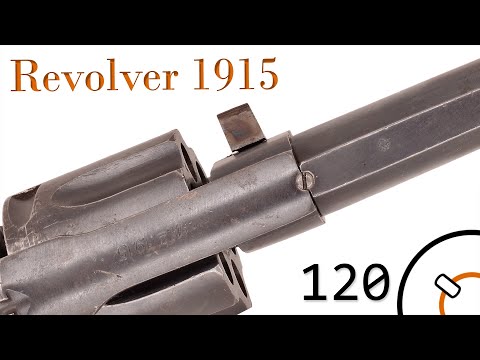
The Romanian Revolver 1915, often an Antonio Errasti Model 1915, is a Spanish-made firearm characterized by extremely poor construction, questionable metallurgy, and frequent damage to critical components like the forcing cone. While it superficially resembles earlier gas-seal designs, it lacks the gas seal and is prone to catastrophic failure. The video strongly advises against shooting these revolvers due to safety concerns, highlighting their unreliability and the high risk of breakage.
This video from VSO Gun Channel explores the scientific process of melting a suppressor. The description emphasizes VSO's role as an educational resource for responsible gun ownership and safety, clarifying that they are not in the business of selling firearms or accessories. They conduct objective testing and evaluation for manufacturers, with full creative rights reserved for their published content. The video aims to provide viewers with objective information directly related to tests performed by their personnel.
This video critically reviews five handguns deemed unsuitable for concealed carry by TheYankeeMarshal, an established firearms commentator. The analysis focuses on practical issues like reliability, concealability, metallurgy, and effectiveness in self-defense scenarios, highlighting specific models from Bersa, Ruger, Taurus, Magnum Research, and Kel-Tec. The speaker's extensive experience and direct references to personal ownership and observed failures lend significant authority to his assessments.
Gun Laws by State
Read firearms regulations for all 50 states + D.C.
Find Gun Dealers
Search licensed FFL dealers near you.