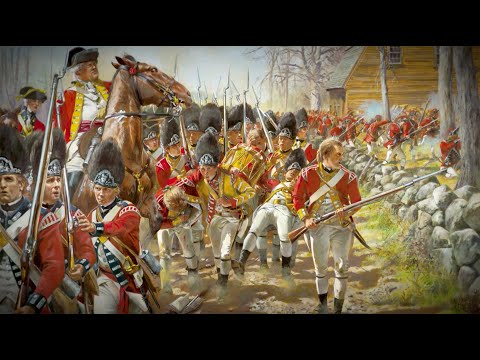
This video explores the firearms used by American militia and British regulars during the Battles of Lexington and Concord, 250 years later. It highlights that militia primarily used "fowling pieces," which were long-barreled hunting guns, often with English forms but French-style butts and parts. The loading process for muskets, both British and American, is detailed, emphasizing the speed and technique required. The video also discusses the archaeological findings that support the prevalence of smaller bore fowling pieces among the militia and examines Captain John Parker's fowling piece, noting its bore size and historical modifications.
This guide details the conversion of a Trapdoor Springfield rifle into a movie prop resembling a flintlock rifle. The process involves adding cosmetic components like fake lock plates and barrel bands, and modifying the hammer for visual effect. The goal is to create a period-accurate look for film use without altering the firearm's core functionality for actual shooting. This expert-level insight comes from Ian McCollum of Forgotten Weapons, who analyzes the practicalities of film prop creation.
This guide details the unique loading process for the Boutet Cased Pocket Pistols, emphasizing the screw-off barrel mechanism and the use of specialized tools. It highlights the historical significance and intricate craftsmanship of these Napoleonic-era firearms, as explained by firearms expert Ian McCollum.
This video details the extensive gunsmithing work performed by Mark Novak of Anvil Gunsmithing on a 1857 Norwegian Kammerlader rifle. The restoration involved addressing significant rust, fabricating replacement parts like the nipple and front sight, repairing severe stock damage with metal reinforcement, and re-bluing the firearm. The process highlights the challenges of maintaining antique firearms, particularly those used with black powder, and the dedication required to bring them back to functional condition.
This guide details the loading and firing procedure for the US Model 1836 R. Johnson percussion pistol, a historical military firearm. It covers using black powder, patches, and a lead ball, emphasizing the unique swivel ramrod feature. The instruction comes from hickok45, a recognized expert in historical firearms testing, offering insights into its historical context and practical use.
You've reached the end! 5 videos loaded.
Gun Laws by State
Read firearms regulations for all 50 states + D.C.
Find Gun Dealers
Search licensed FFL dealers near you.